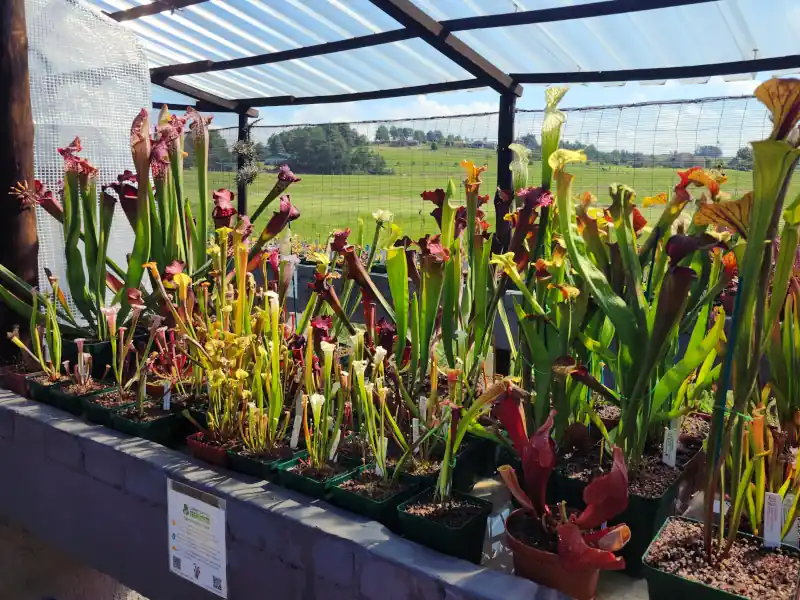
Winter Dormancy – The Great Plant Snooze 🌿❄️
Help! My Carnivorous Plant Looks Like It’s Dying!
It’s the start of winter, and your beautiful Venus Fly Trap is suddenly looking a little worse for wear. The traps are turning black, growth has slowed, and you’re wondering what on earth you’ve done wrong!
Relax, Carnie Parent. Before you start planning a funeral, there’s a very good chance your plant is simply getting ready for its winter snooze.
As the South African days grow shorter and temperatures drop, temperate carnivorous plants such as Venus Fly Traps and Sarracenia begin their natural winter dormancy. Growth slows, older leaves die back, and the plants conserve energy until spring.
This seasonal rest is an important part of their natural life cycle. Without adequate dormancy over successive years, temperate plants can gradually weaken and decline.
So, before you panic and send me a WhatsApp declaring a botanical emergency, let’s look at what’s happening and how to care for your sleeping babies!
The South African Dormancy Calendar
For most South African growers, temperate carnivorous plants follow a seasonal pattern similar to this:
- March – April: Growth begins slowing as the days shorten.
- May: Older traps and pitchers may begin dying back as plants prepare for winter.
- June – July: The main dormancy period. Growth is minimal, and some plants may look decidedly miserable!
- August: Early signs of new growth may appear as temperatures and daylight increase.
- September – October: Spring growth gathers momentum, with fresh traps, pitchers and, for some species, flowers.
Remember: This is a general guide, not a fixed timetable. Dormancy usually lasts around 3–5 months, depending on the species, local climate and growing conditions.
Don’t worry if your plants don’t all go to sleep or wake up at exactly the same time. Nature doesn’t work according to a calendar!
Which Carnivorous Plants Need Winter Dormancy?
Not all carnivorous plants need a cold winter rest. Some come from temperate climates with distinct seasons, while others grow in tropical environments throughout the year.
Plants That Require Winter Dormancy
- Venus Fly Traps (Dionaea Muscipula)
- Sarracenia (Trumpet Pitchers)
- Darlingtonia Californica (Cobra Lily)
- Temperate Drosera (certain Sundew species)
These plants naturally experience cooler winters and need an appropriate seasonal rest for healthy long-term growth.
Plants That Don’t Require Cold Dormancy
- Nepenthes (Tropical Pitcher Plants)
- Drosera Capensis (Cape Sundew)
- Heliamphora (Sun Pitchers)
- Many tropical Drosera and Utricularia species
These plants may slow down during cooler or darker months, but they don’t require the same cold dormancy as Venus Fly Traps and Sarracenia.
The Special Cases: Pinguicula and Cephalotus
Mexican Pinguicula: Many species and hybrids produce smaller, succulent-like leaves during their seasonal resting phase. Their watering requirements often change during this period, but this isn’t the same as cold dormancy.
Cephalotus: Growth often slows in cooler weather, and plants may produce more non-carnivorous leaves. They don’t require the same pronounced winter dormancy as Sarracenia, although they respond naturally to seasonal changes.
Important: Always check the requirements of your particular species. Even plants within the same genus can have very different seasonal needs.
What Does Winter Dormancy Actually Look Like?
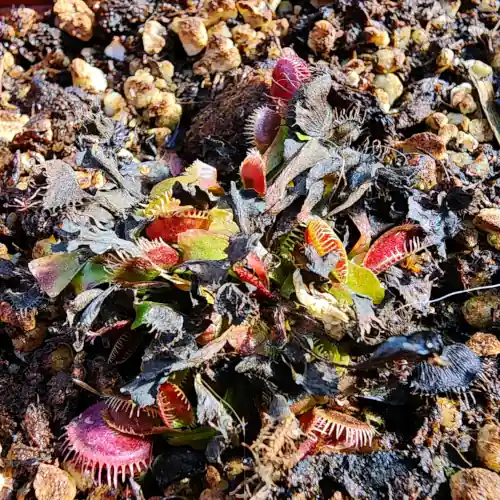
During winter, your beautiful summer plants can become rather sorry-looking versions of themselves. But don’t panic! Changes in appearance are perfectly normal for many temperate species.
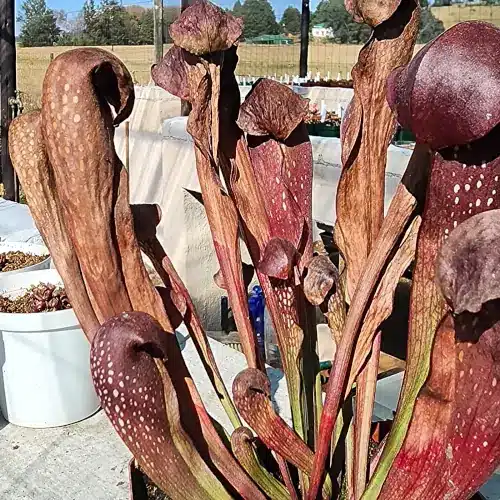
You may notice smaller traps, slower growth, browning leaves, dying pitchers or plants retreating into compact winter rosettes.
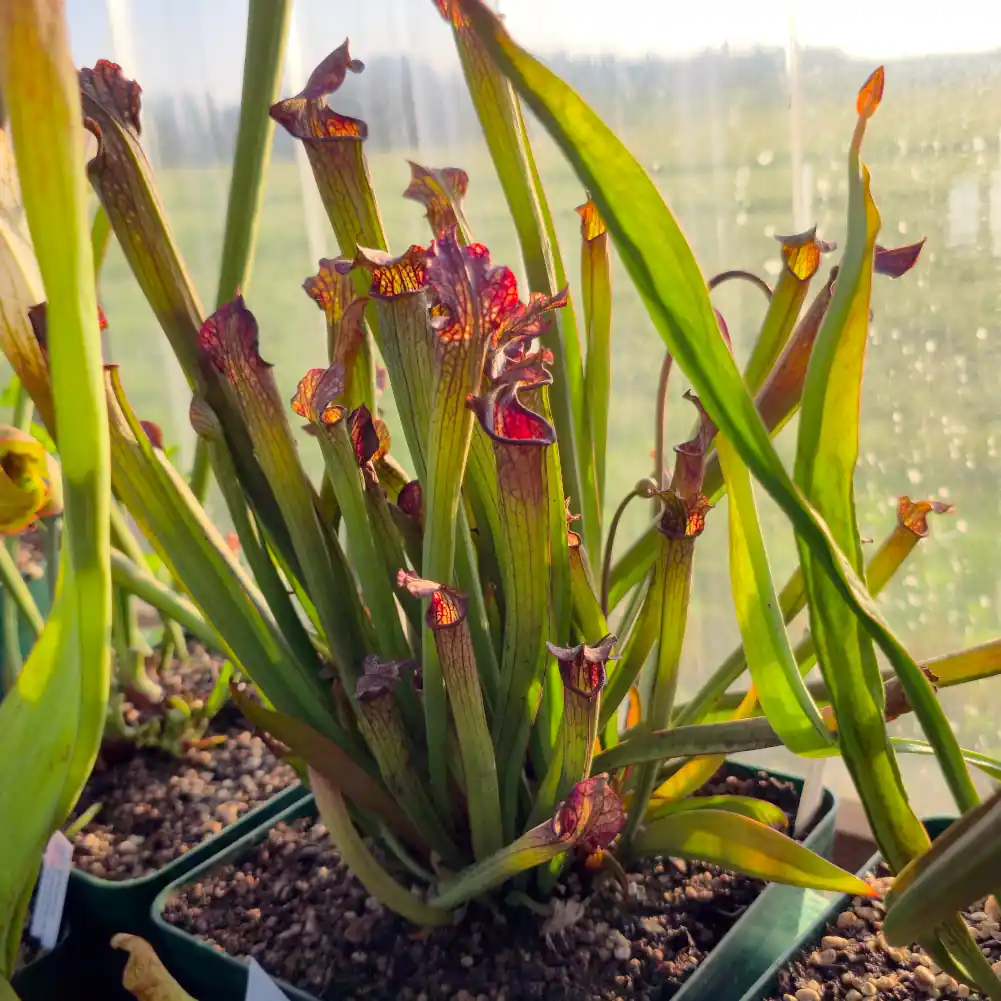
Some Sarracenia remain surprisingly attractive throughout winter, while others lose much of their summer foliage. Every plant has its own way of handling the cold.
Venus Fly Trap – Summer vs Winter

Sarracenia – Summer vs Winter
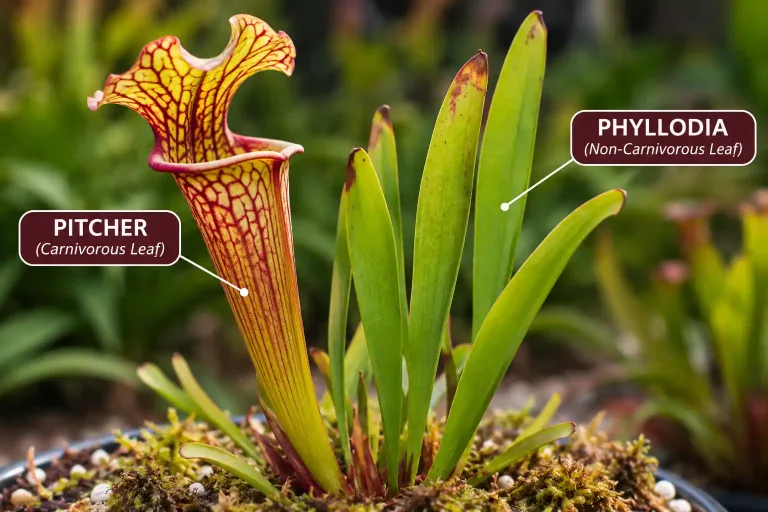
What Are Phyllodia?
Some Sarracenia, particularly Sarracenia Flava, produce flat, sword-shaped leaves called phyllodia instead of their usual hollow pitchers.
These non-carnivorous leaves help the plant continue photosynthesising when pitcher production slows. They’re perfectly normal and should be left in place while healthy.
A little reminder: Brown pitchers aren’t necessarily a problem. They’re often simply part of the plant’s natural seasonal cycle.
Sleeping or Dead? How to Tell the Difference
Winter dormancy can look alarming, particularly if you’re experiencing it for the first time. Fortunately, there are a few clues that can help you distinguish normal seasonal dieback from a genuine problem.
Signs Your Plant Is Probably Dormant
- Older leaves or pitchers are turning brown while the crown remains firm.
- Growth has slowed significantly or stopped.
- The plant has become smaller or more compact.
- The rhizome or growing point remains firm and healthy.
Warning Signs Something May Be Wrong
- The crown or rhizome feels soft, mushy or rotten.
- There is an unpleasant smell coming from decaying growing media.
- Rot appears to be spreading through the plant’s growing point.
- The plant collapses and shows no firm, healthy tissue.
Important: Brown leaves alone don’t mean your plant is dead. Equally, a plant can develop root or rhizome rot during dormancy, so don’t automatically dismiss every problem as normal winter behaviour.
If you’re unsure, send me a few clear photographs before disturbing the roots or throwing the plant away. I’d much rather help you investigate than see a perfectly healthy sleeping plant end up in the compost!
How to Care for Your Sleeping Plants
Winter dormancy care is surprisingly simple. The trick is to give your temperate plants the cool conditions they need without neglecting them completely.
Watering
Reduce watering as growth slows, but never allow the growing medium to dry out completely. Keep it lightly to consistently moist, avoiding prolonged deep standing water during cold weather.
If you’re using the tray method, allow the tray to empty briefly before refilling when conditions permit. Always check the moisture in the pot rather than relying on a fixed number of days.
Light and Temperature
Keep your plants outdoors in a naturally lit position where they can experience the cooler temperatures and shorter days of winter.
Avoid moving dormant temperate plants into warm indoor conditions. Protect pots from unusually severe or prolonged freezing, particularly where roots may freeze solid.
Feeding and Fertilising
There’s no need to feed dormant plants. Insect-catching activity naturally slows, and attempting to force growth with food or fertiliser is unnecessary and potentially harmful.
Trimming and General Care
Remove completely dead, decaying foliage where necessary, using clean scissors. Leave healthy green leaves and phyllodia in place, as they can continue contributing to photosynthesis.
Above all, resist the temptation to interfere too much. Your plants know what they’re doing. Sometimes the best care is simply giving them the right conditions and letting nature take its course.
A Little Winter Housekeeping
Winter can also be a good opportunity to tidy up your collection and prepare for the growing season ahead.
For many temperate carnivorous plants, late winter or early spring, just before vigorous new growth begins, is a suitable time for repotting or dividing established plants.
I’ve put together a few practical guides to help you along:
- Trimming and Pruning Your Plant Babies
- Repotting 101
- Splitting Your Venus Fly Traps
- Splitting Your Sarracenia
Remember: Not every species appreciates being disturbed during winter, so check the individual plant’s requirements before repotting or dividing.
Spring Awakening – They’re Back!
And then, just when you’ve almost forgotten what your beautiful plants looked like in summer, something wonderful happens.
A tiny new trap appears. A fresh pitcher begins to unfurl. And suddenly, The Dead Zone is waking up again!
As spring arrives, gradually increase watering to match the plant’s renewed growth and changing weather conditions. Give your plants plenty of suitable light and a little patience while they get back into their growing rhythm.
For first-time Carnie Parents, that first winter can be a little nerve-racking. But once you’ve experienced the seasonal cycle, you’ll realise that dormancy is simply another fascinating part of growing these extraordinary plants.
Still unsure about your plant?
Please don’t hesitate to get in touch. Send me a WhatsApp or a few photographs, and I’ll happily help you work out what’s happening. I genuinely love hearing from you and seeing how your babies are doing!
After all, that’s what the Curry’s Post Carnivores family is here for.
Trust the snooze… your Hungry Little Savages will be back on the hunt before you know it!