Description
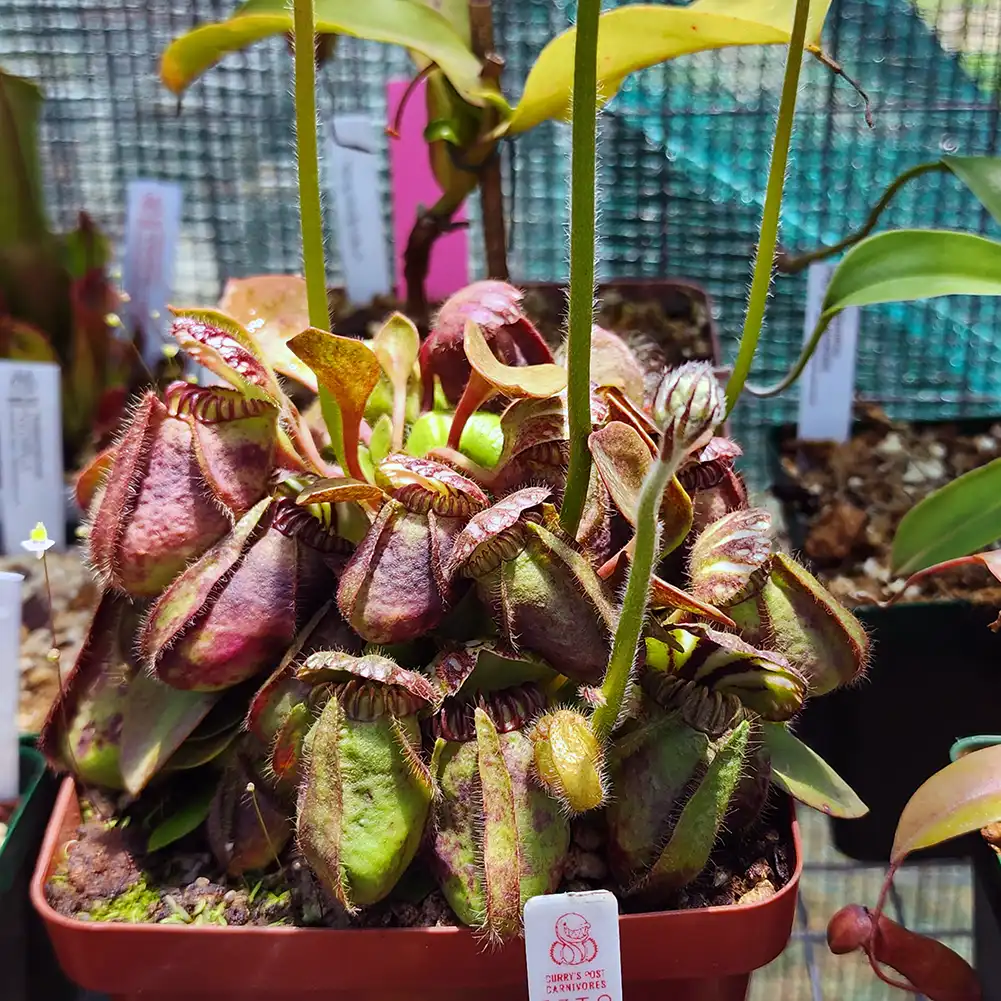
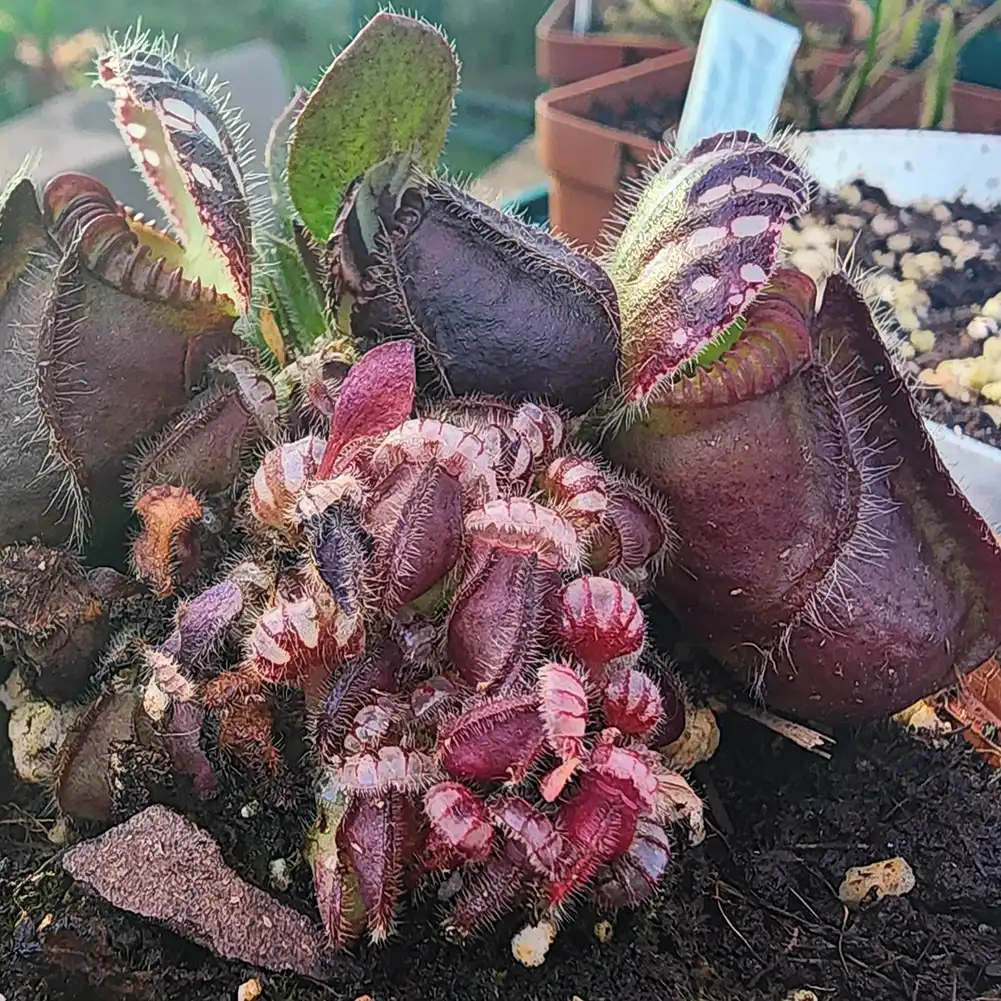
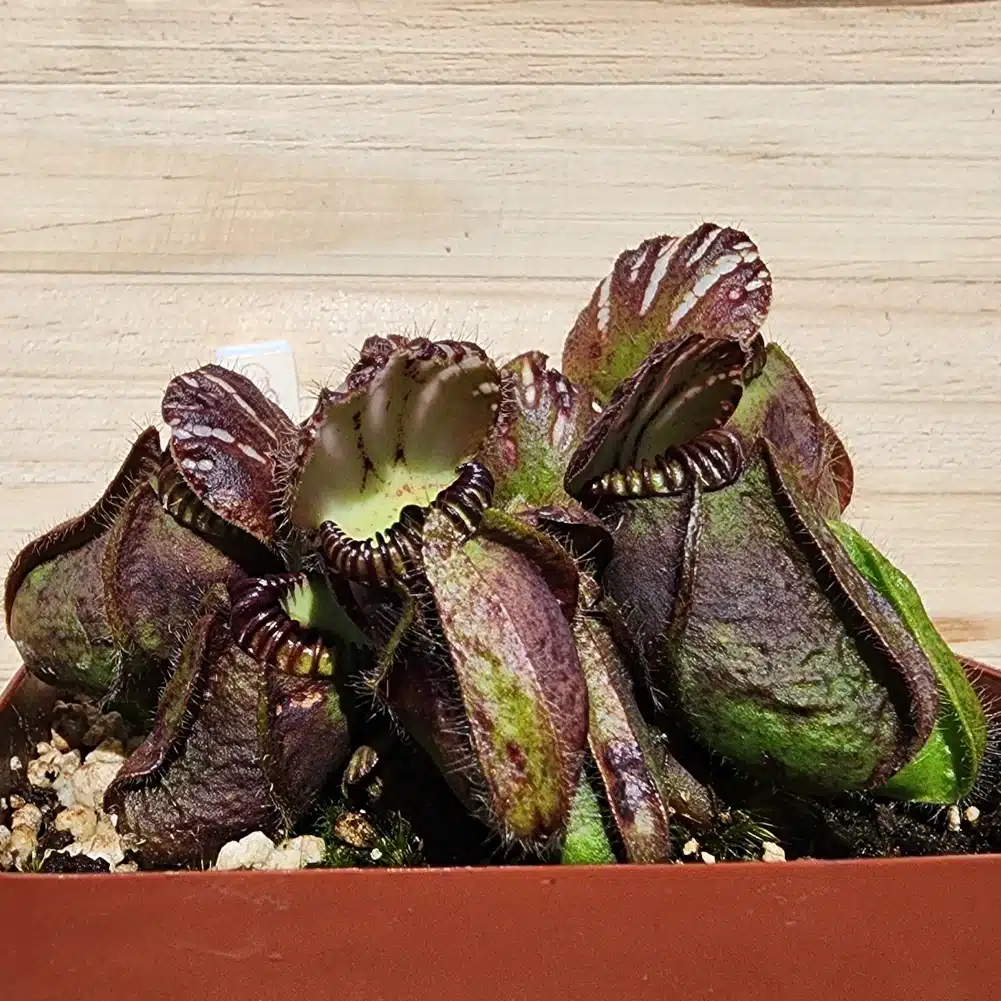
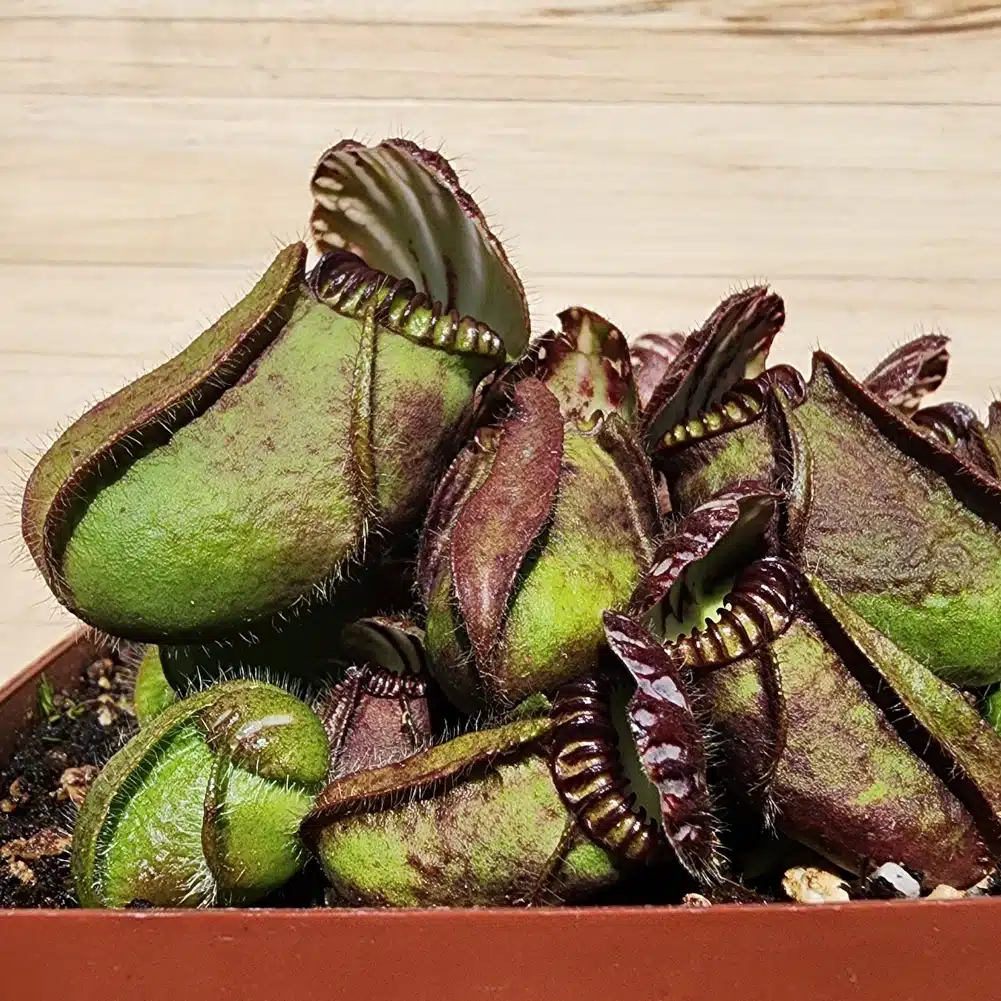
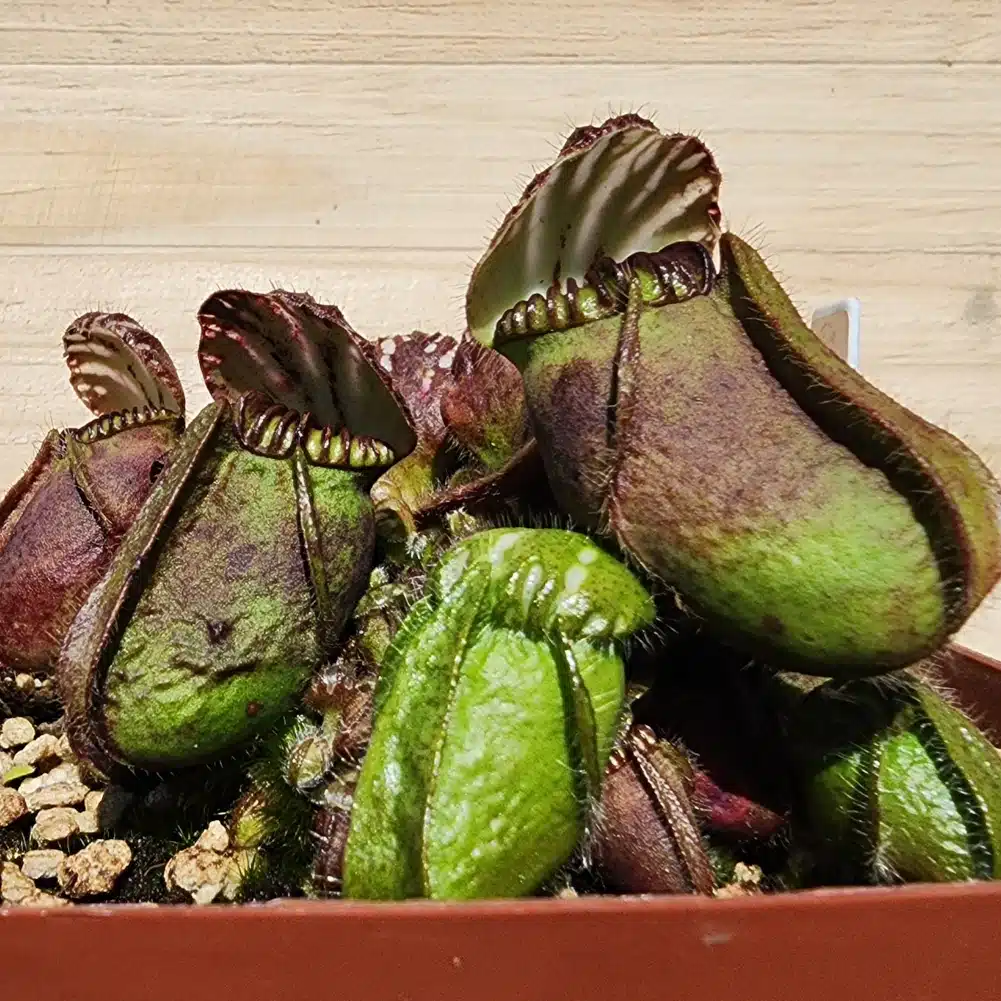
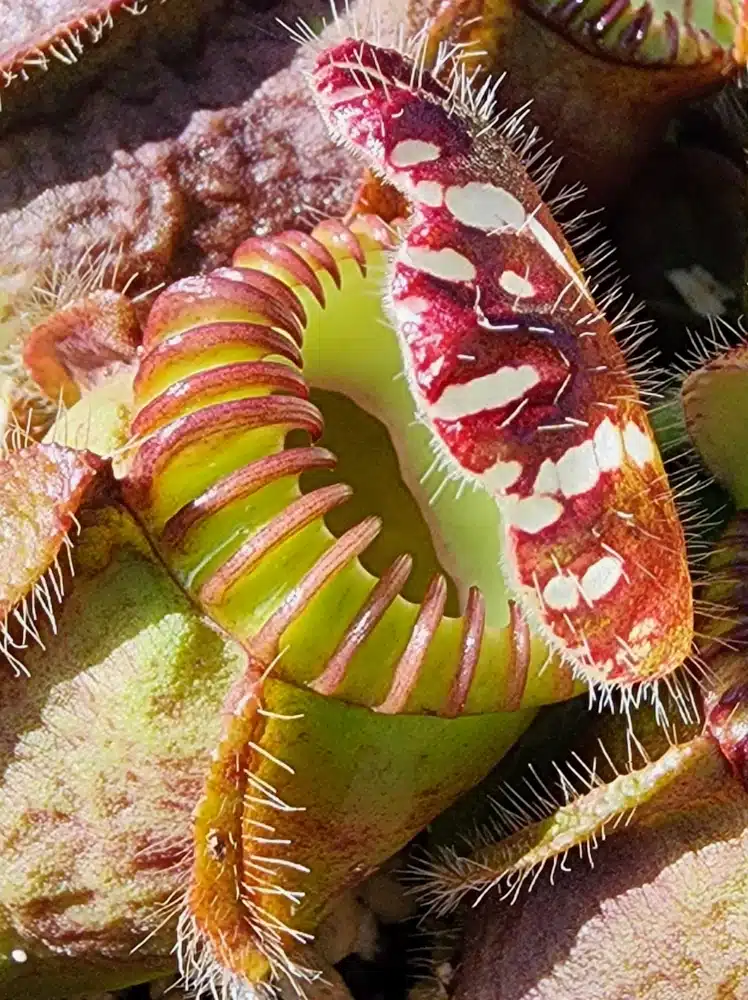
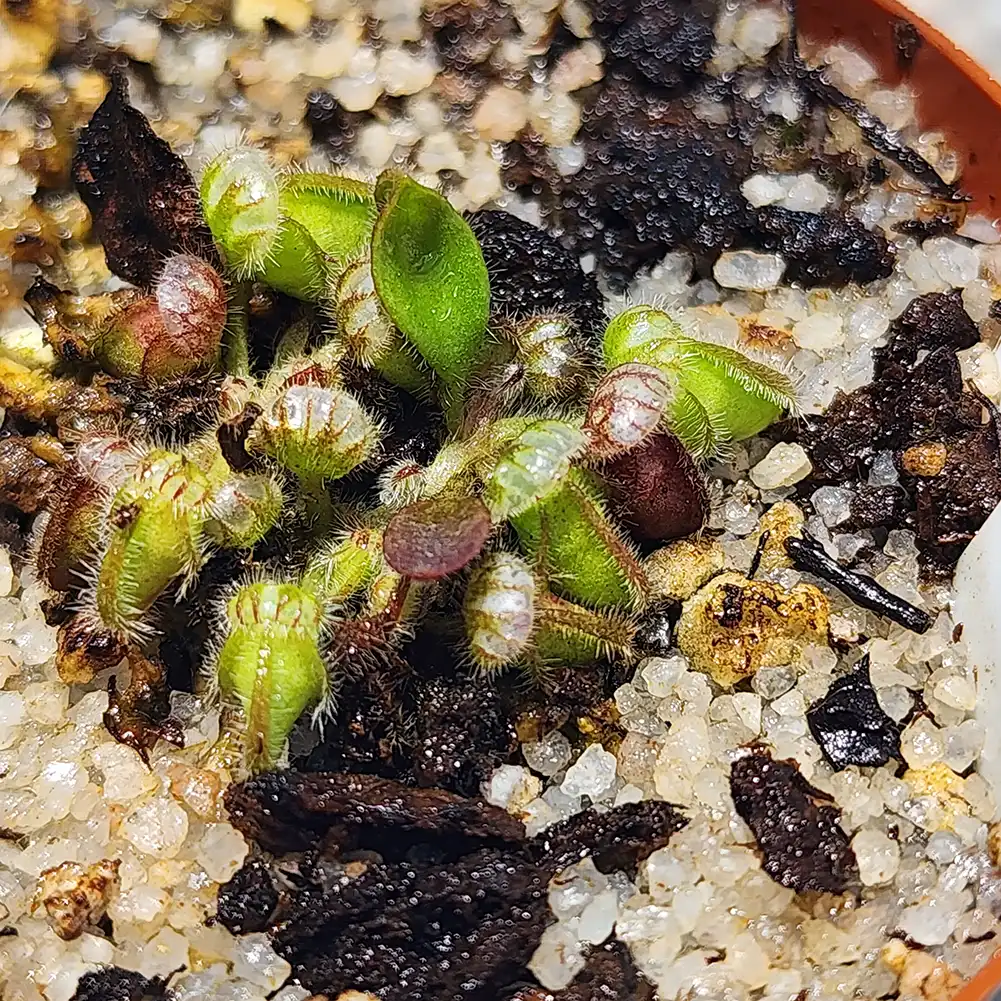
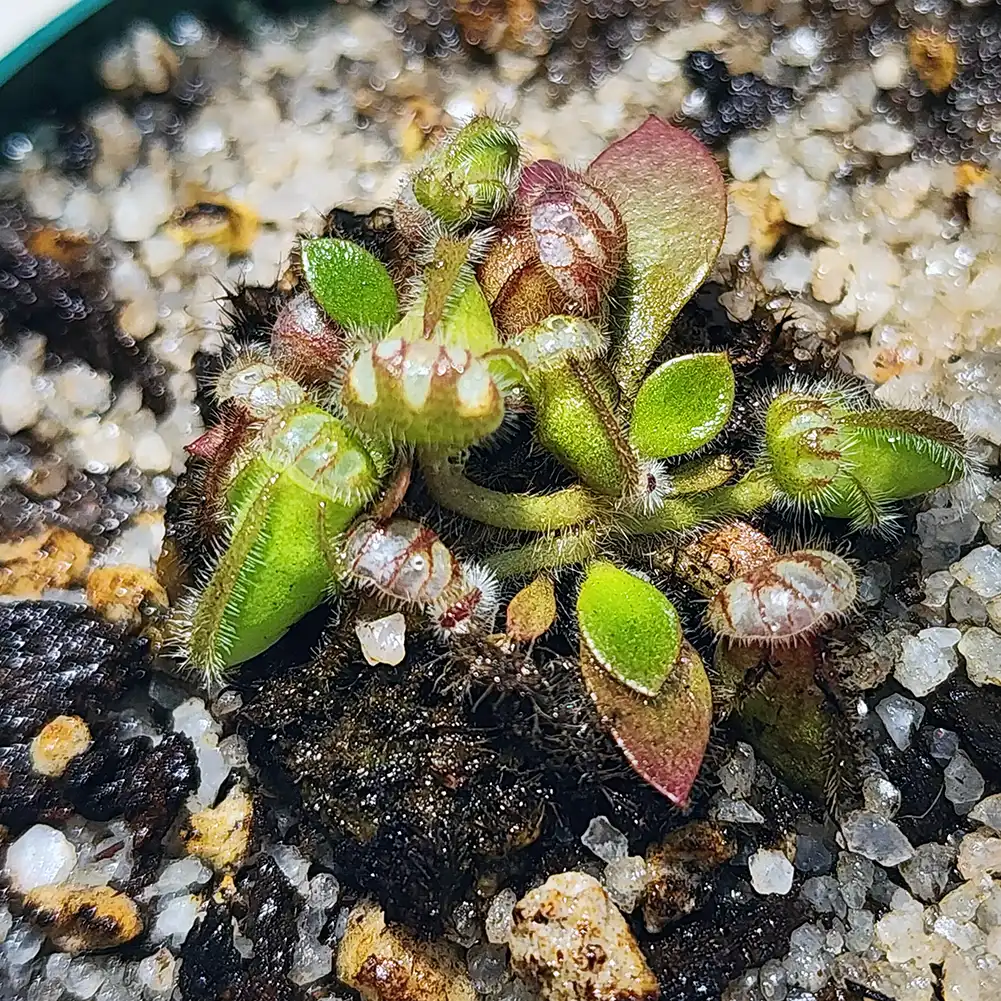
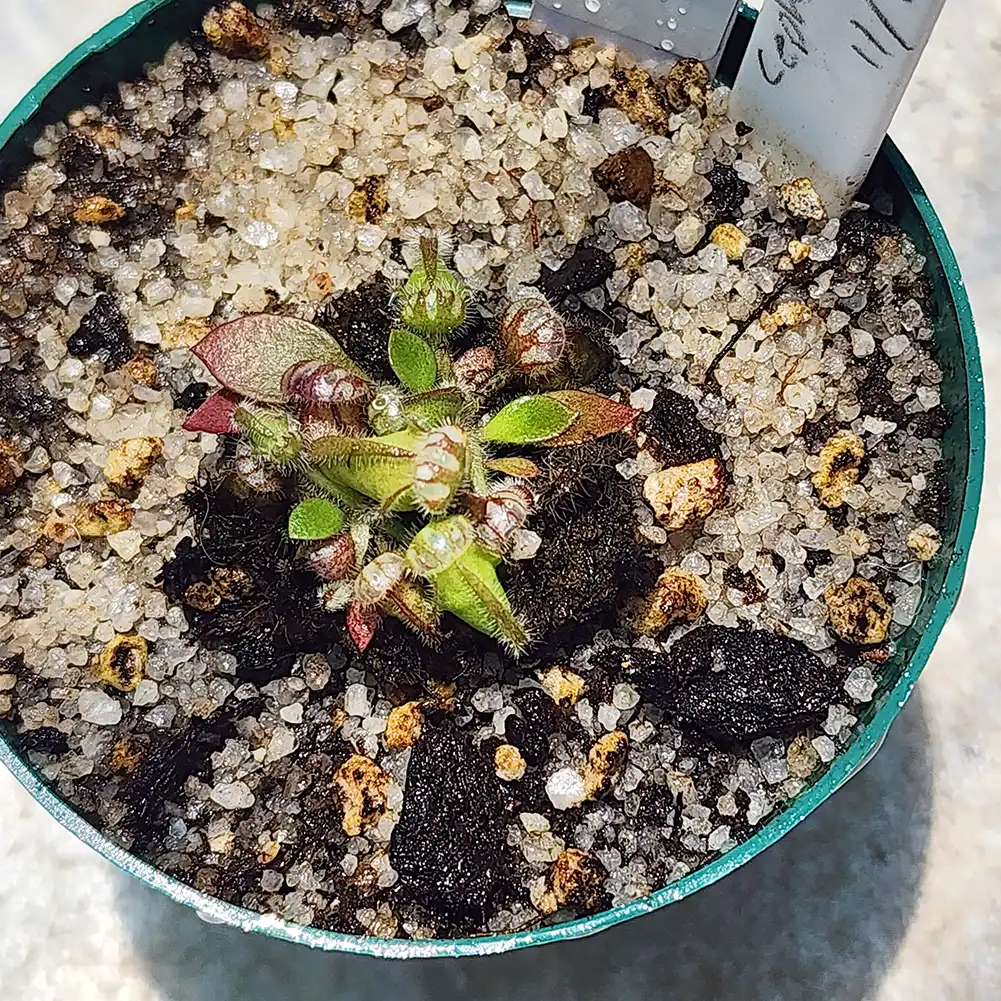
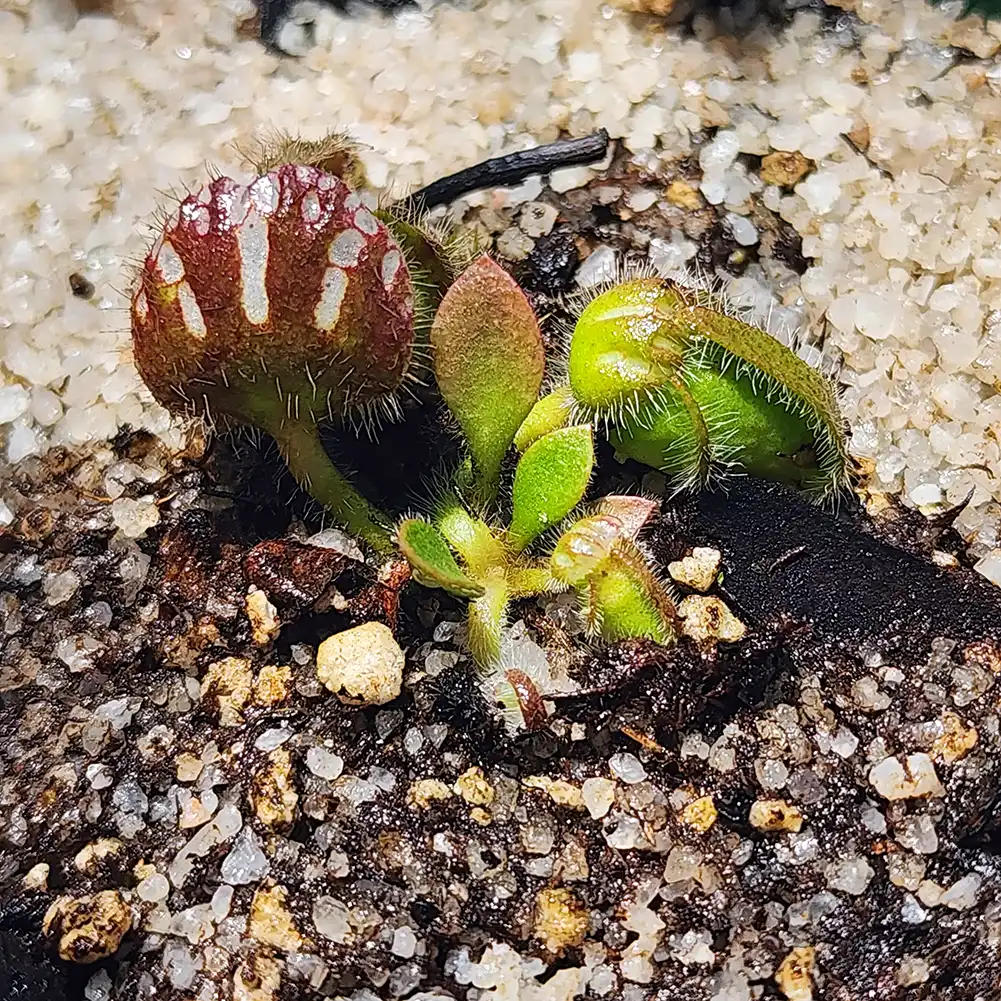
The Cephalotus, also known as the Australian Pitcher Plant, is a cousin of the pitcher plant family. The short, evil-looking, razor-like ridges along the pitchers lip, trap insects from exiting the pitcher, and grow in dense rosettes close to the ground. They also have a unique characteristic in that they have both carnivorous pitchers and non-carnivorous leaves growing separately.
Its fascinating appearance makes it a desirable plant for any serious collector.
Cephalotus can be an extremely slow, temperamental grower and is recommended for the more experienced collector.
Basic Growing Guidelines:
Light: Cephalotus prefers bright light, with protection from the harsh afternoon sun. The more light they get, the more intense their pitcher colours will be, but don’t let the plant overheat.
Soil: This plant prefers a loose, airy but sandy soil mix. Our Cephalotus and Butterwort mix is ideal. (1 part carnivorous soil to 1 part silica sand)
Feeding: You can supplement feeding by placing fresh dead bugs, dried bloodworms, or fish food pellets directly into the pitchers. A weekly spray of a light foliar fertilizer will also benefit the plant.
Humidity: 50 to 60% is ideal.
Water: Keep the soil damp by watering overhead every day. Twice a day in hot climates. Continue watering until excess water pours out the bottom of the pot, saturating the soil. DO NOT ALLOW THE PLANT TO SIT IN WATER.
Temperature: This plant likes warm summers and cool winters. Avoid extreme or extended heat for long periods. A drop in nighttime summer temperatures is ideal. This plant will survive light frosts, but keep it protected if possible.
Dormancy: Winter dormancy is not needed and this plant can be grown all year round in warm climates, but growth will slow in colder climates. Bring plants indoors and place them on a warm sunny windowsill during very cold winters.
A summary of plant care is provided with each plant.
For more detailed information on how to care for your plant, refer to our Care Guides Section.