Description
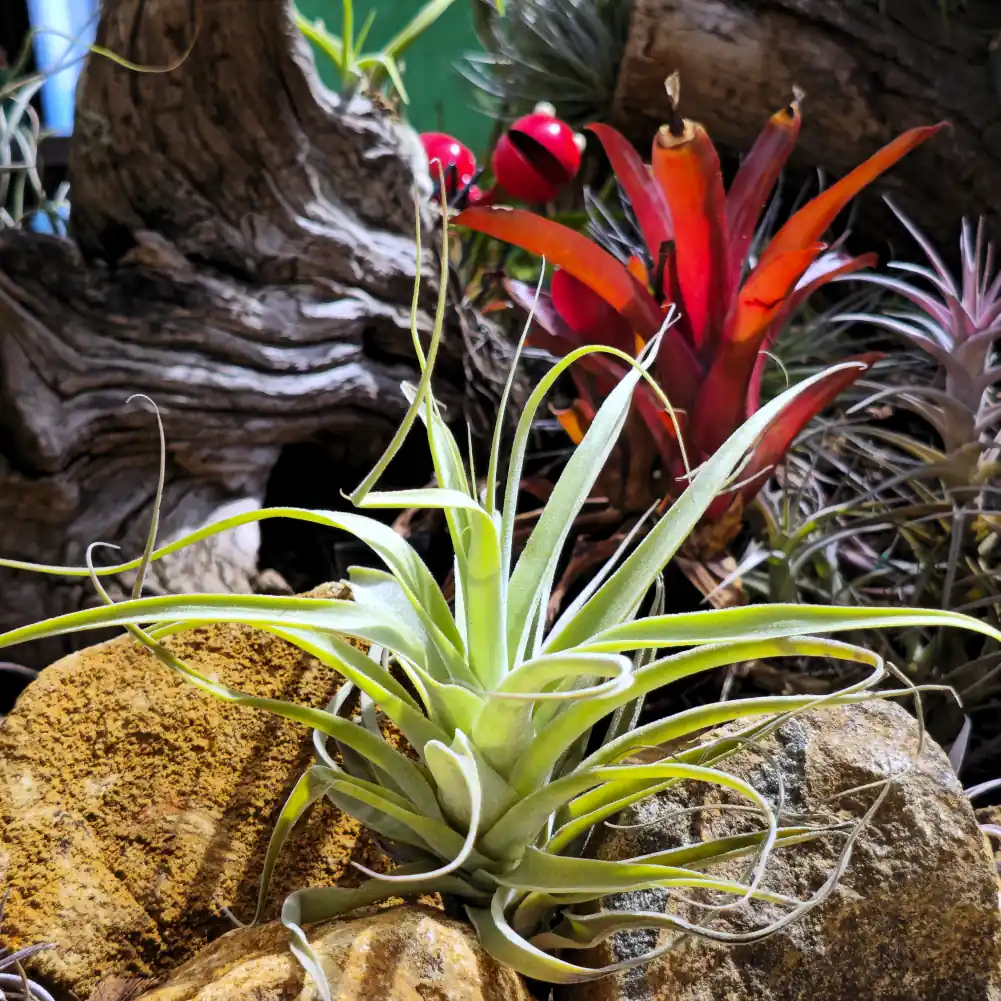
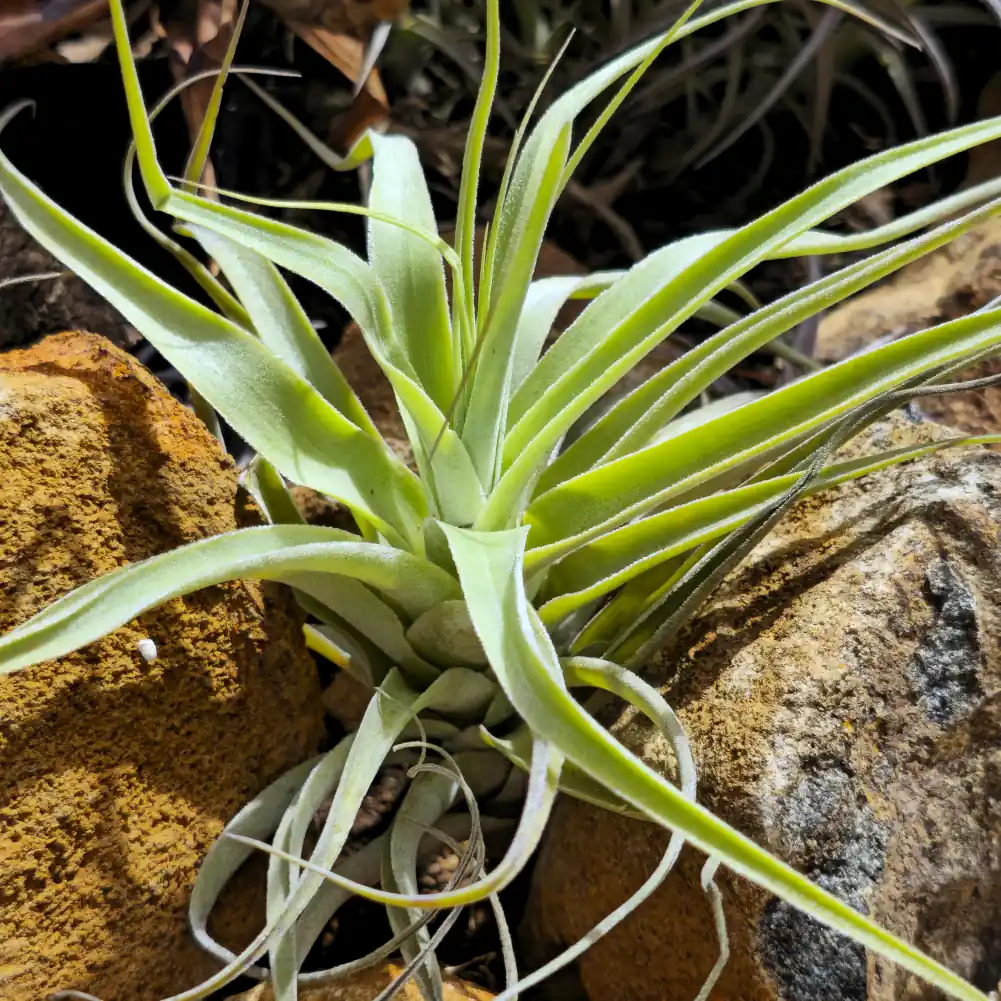
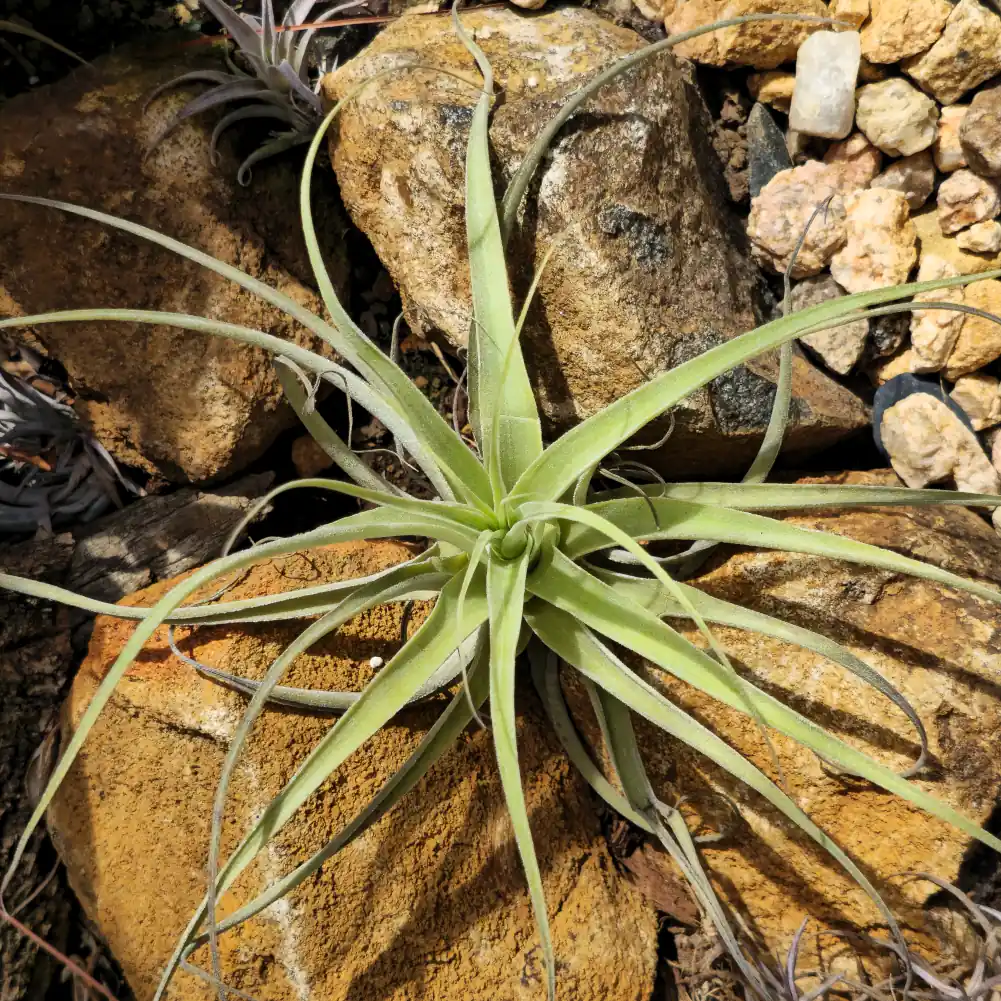
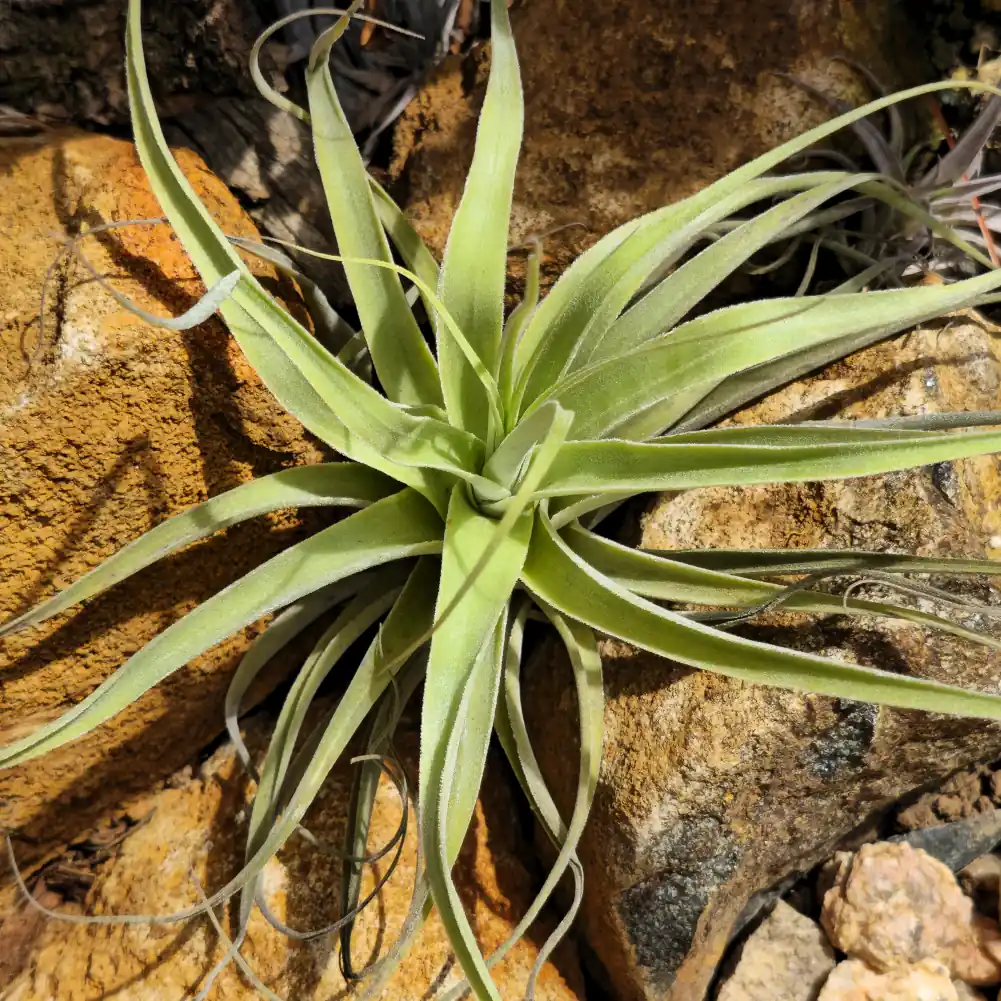
Airplants, also known as Tillandsia, are relatively easy to care for so they are great for beginners.
They are fascinating plants in that they do not get any nutrients or water from their roots. The roots are only used for attaching themselves to a growing surface, nothing more, so all the plant’s nutrients and water requirements are absorbed through its leaves.
Basic Growing Guidelines:
Light: Tillandsias need bright indirect light. They will thrive if placed in an area that gets morning or evening sun for a few hours but avoid the harsh midday sun.
Soil: No Soil is required. These plants can be attached to anything you want for display. Check out my blog on creative ways to display your Tillandsia’s
Feeding: You can supplement feeding monthly using a light foliar fertilizer sprayed directly onto the leaves.
Humidity: 60% plus is ideal.
Water: Spray the plant daily with water or saturate the plant every week.
Temperature: Tillandsias are tropical plants and prefer temperature ranges from 10 to 30 degrees Celcius. They are not tolerant of cold temperatures.
Dormancy: Growth will slow right down during winter, but plants will not die back.
For more detailed information on how to care for your plant, refer to our Care Guides Section.