
While other carnivorous plants use nectar or sticky glue to lure their prey, the Sarracenia or Trumpet Pitcher Plants use a combination of methods to lure and trap their prey. Some very sneaky indeed :-)
The lids of the Sarracenia first play on visual appeal. Each brightly-coloured top, with various patterns and shapes, draws the insect near. Trap # 1
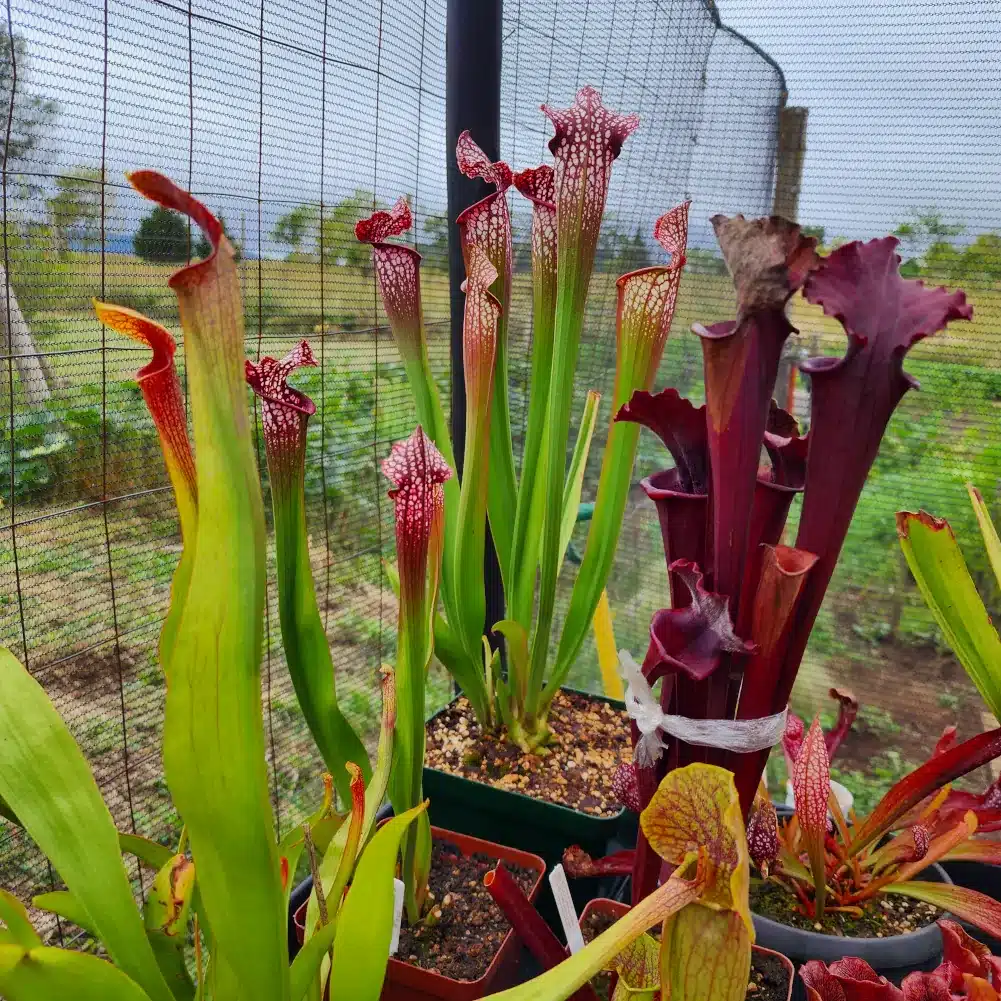
On top of the “lids” of this species, they secrete a sweet, irresistible-smelling nectar. The top not only presents as a buffet of delicious food for the unsuspecting bugs, but also creates the perfect landing spot for them. :-) Trap # 2
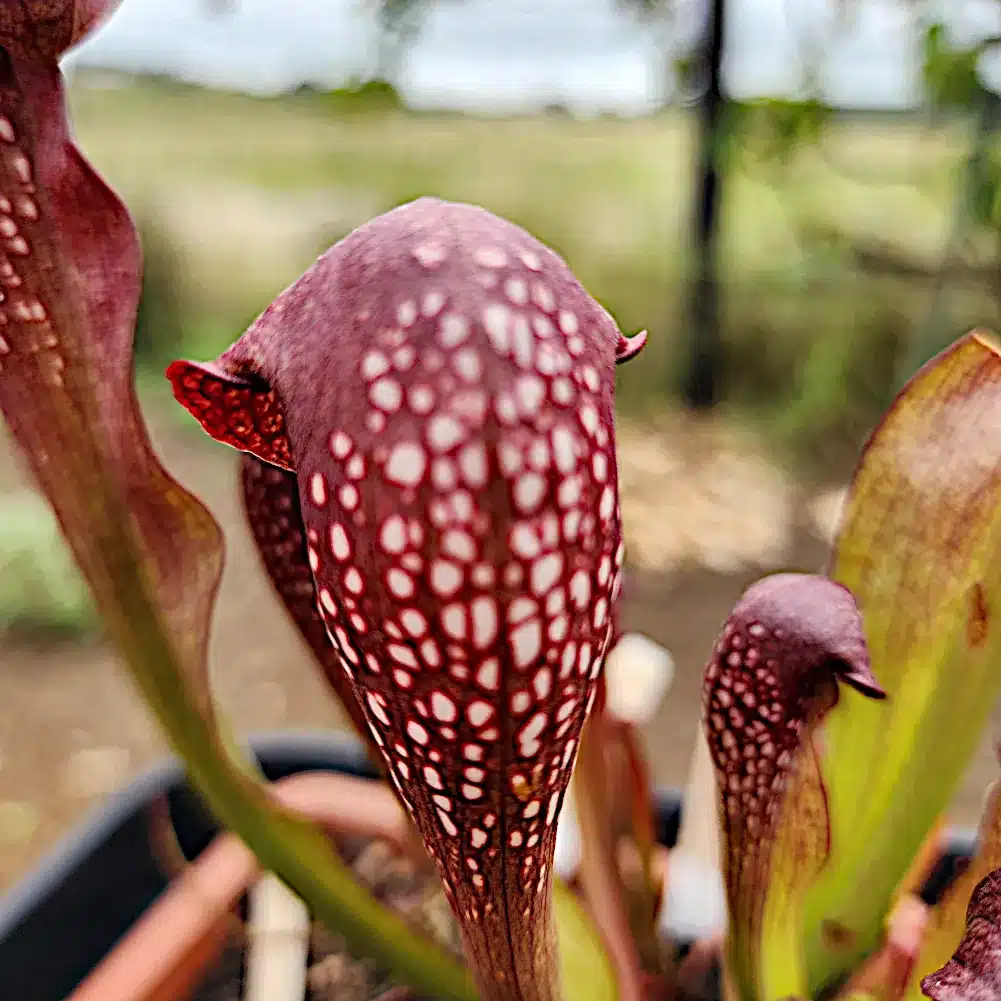
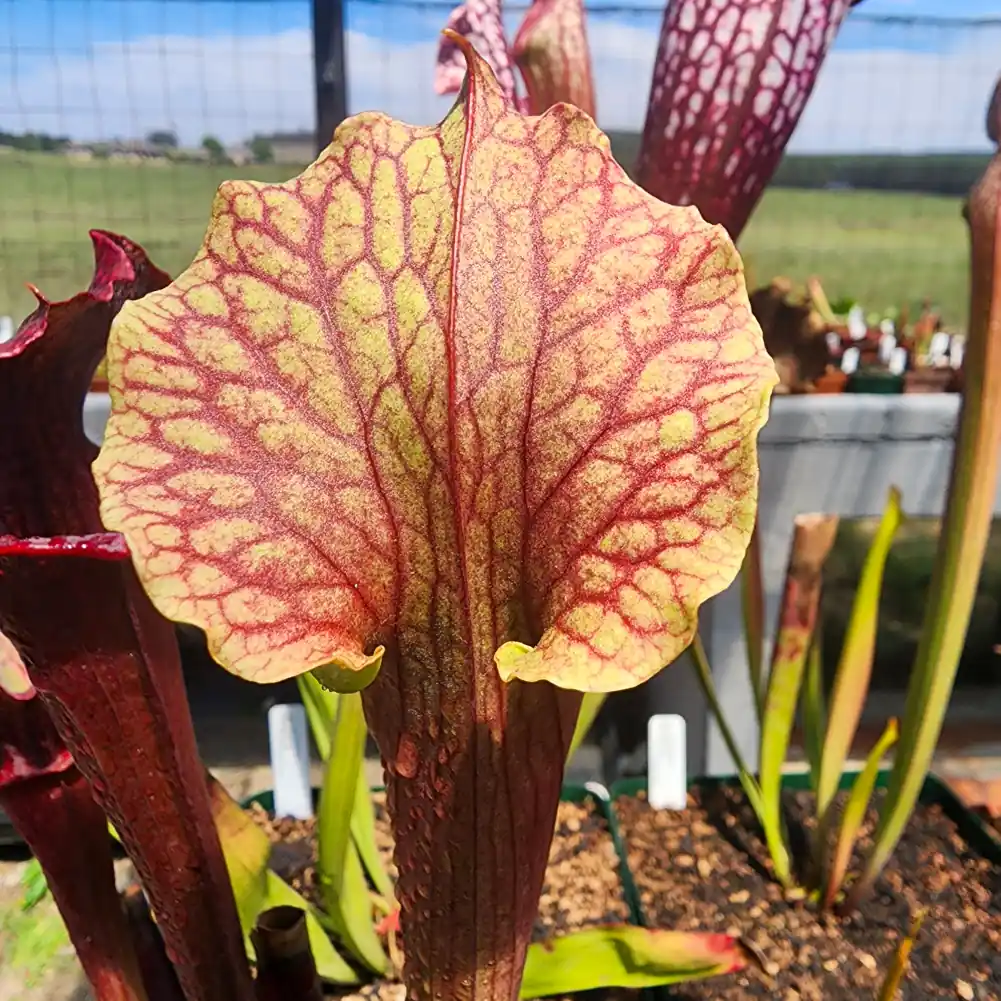
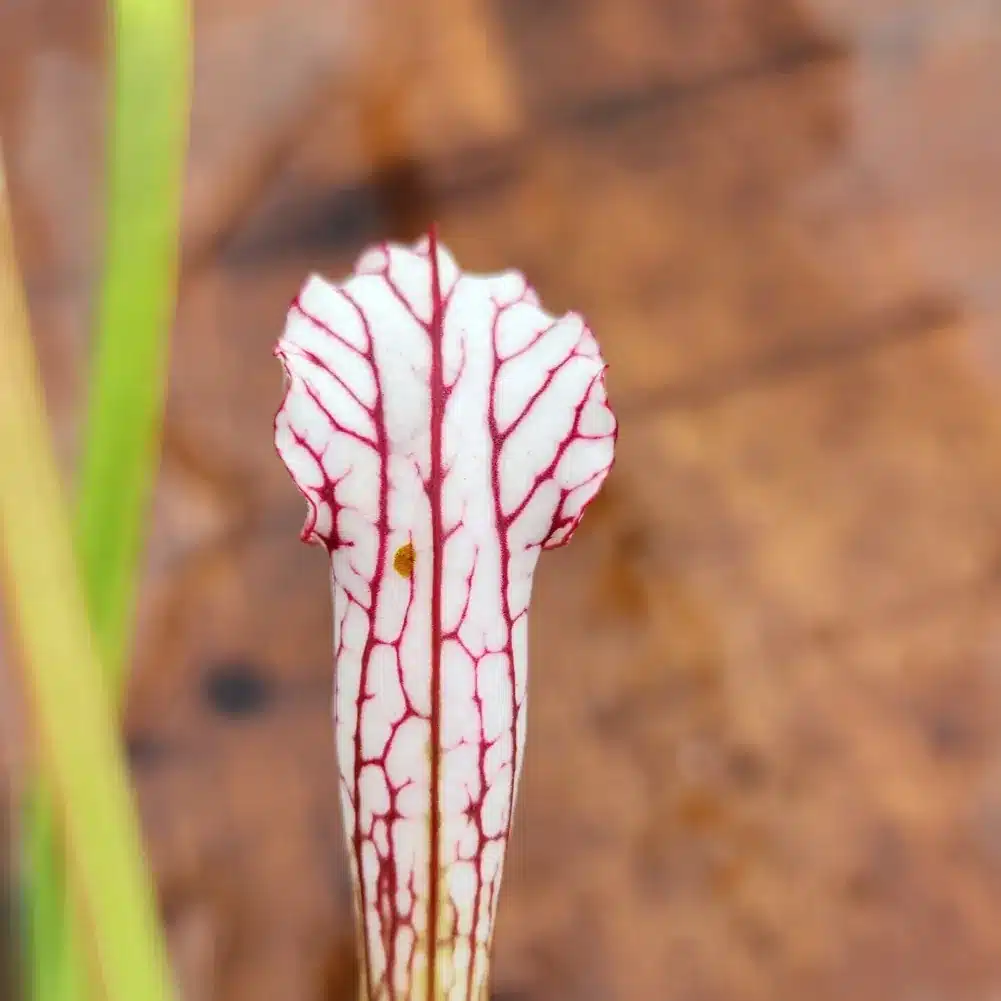
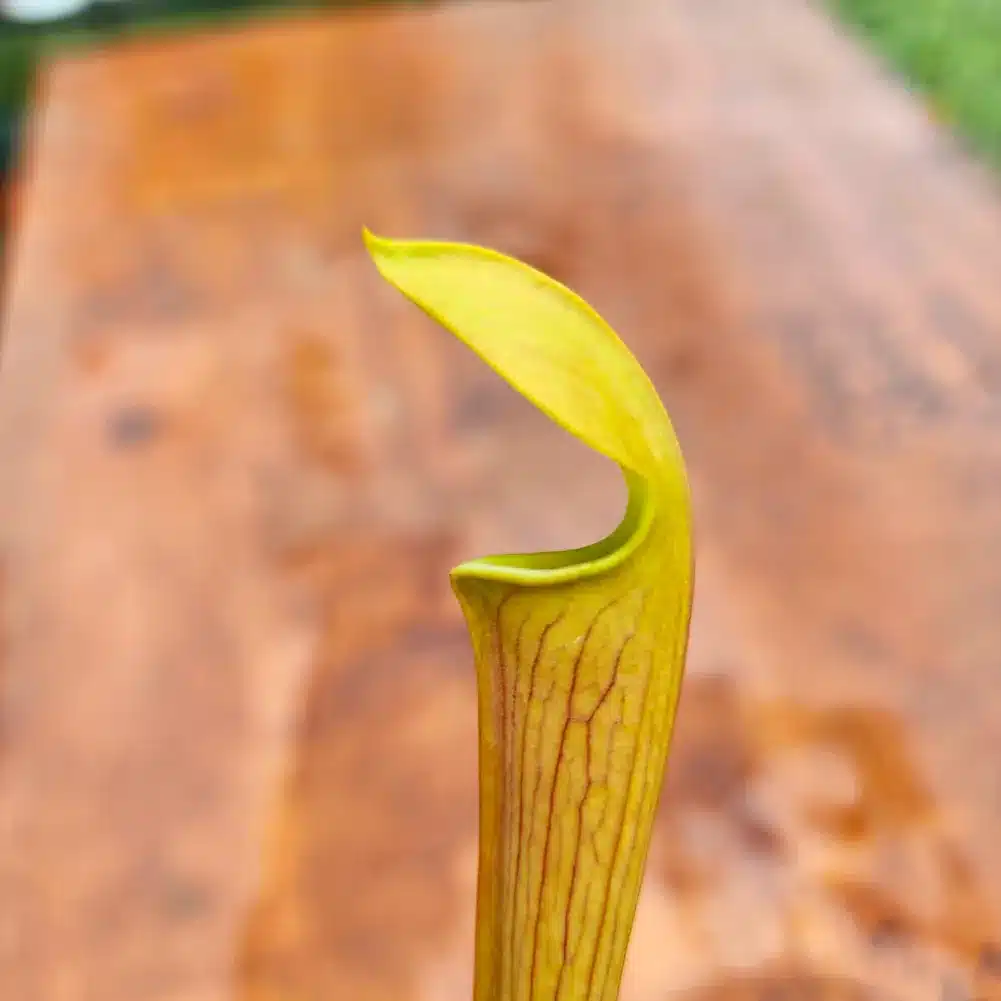
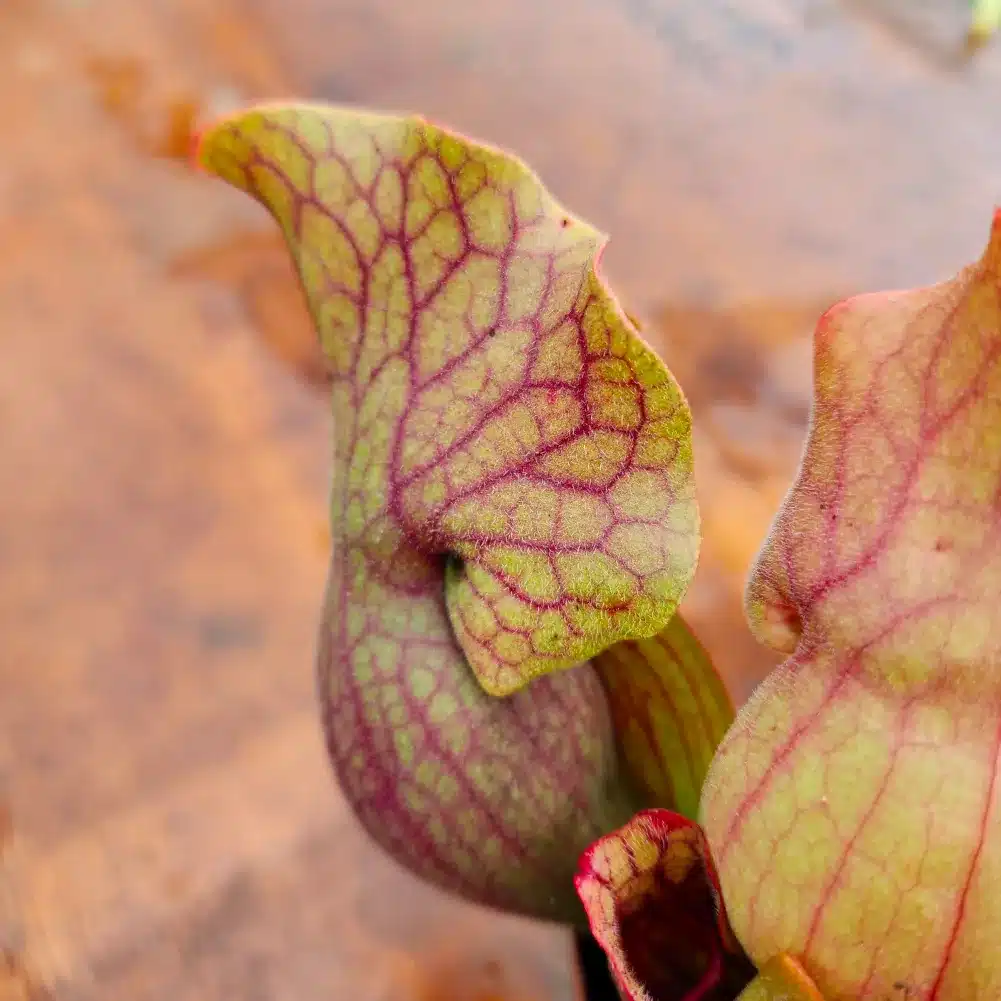
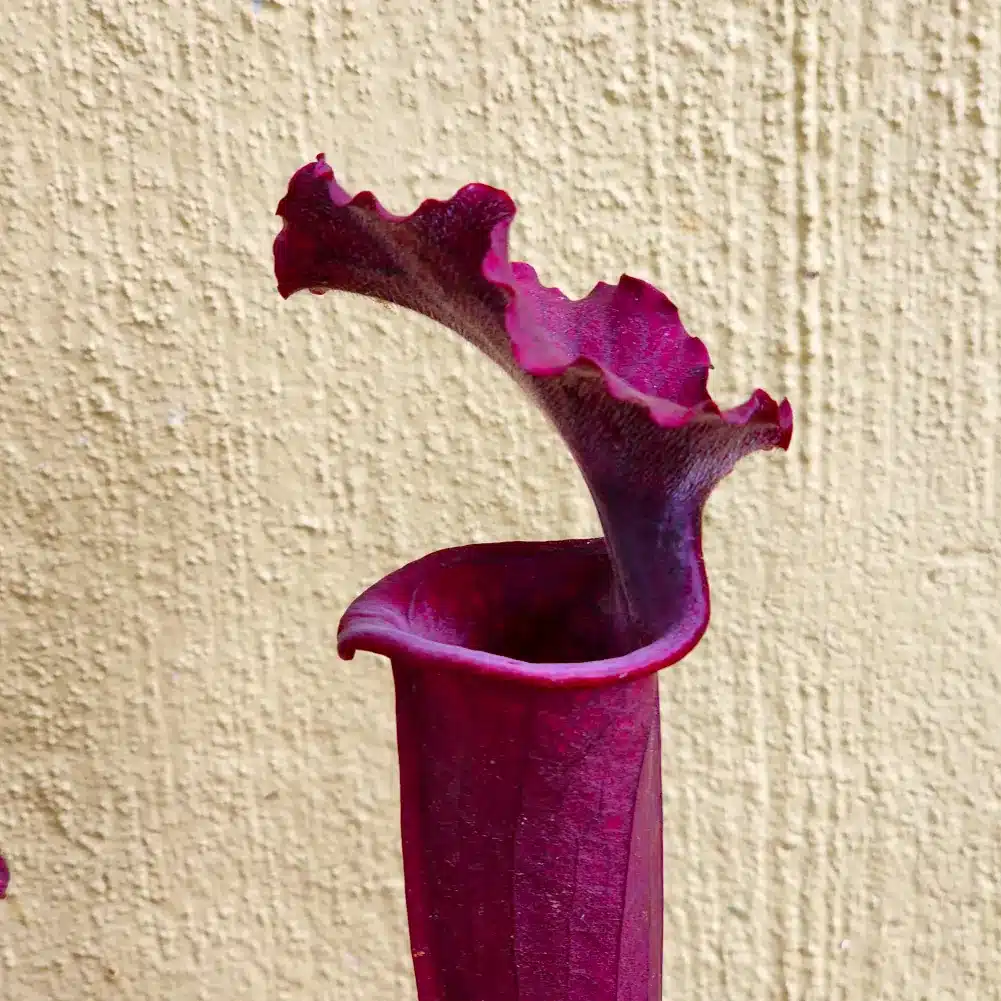
Once the bug samples this nectar, it becomes “drugged” and cannot resist feasting on this gourmet meal it has found. However, the lure of this nectar is that the sweetest part is available underneath the lid, and the already drunk bug, wanting more of this irresistible drink, (like humans having that 1 last tequila shot, even though you know you REALLY should’t :-) ) makes its way under the lid. When under the lid, the “white windows” on the opposite end of the trumpet create the illusion of holes, and the drunk bug thinks this is the easy way out. Trap # 3
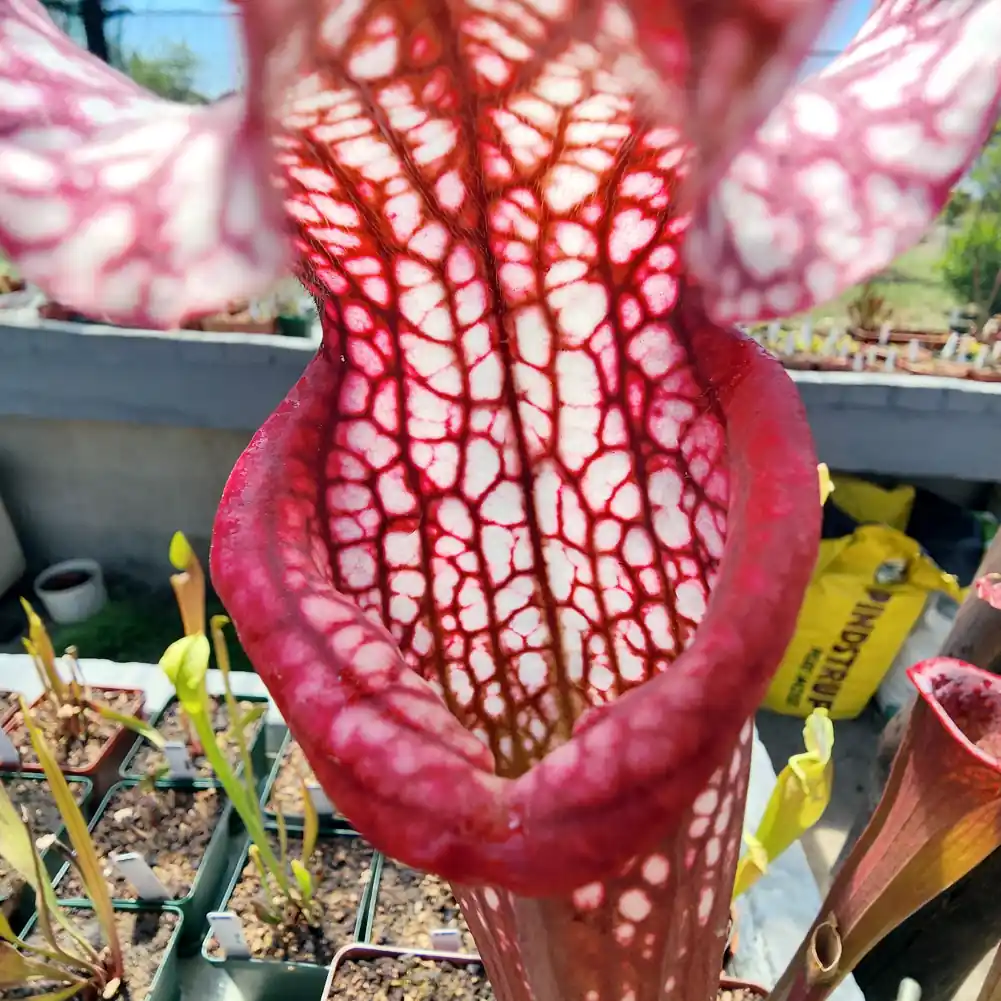
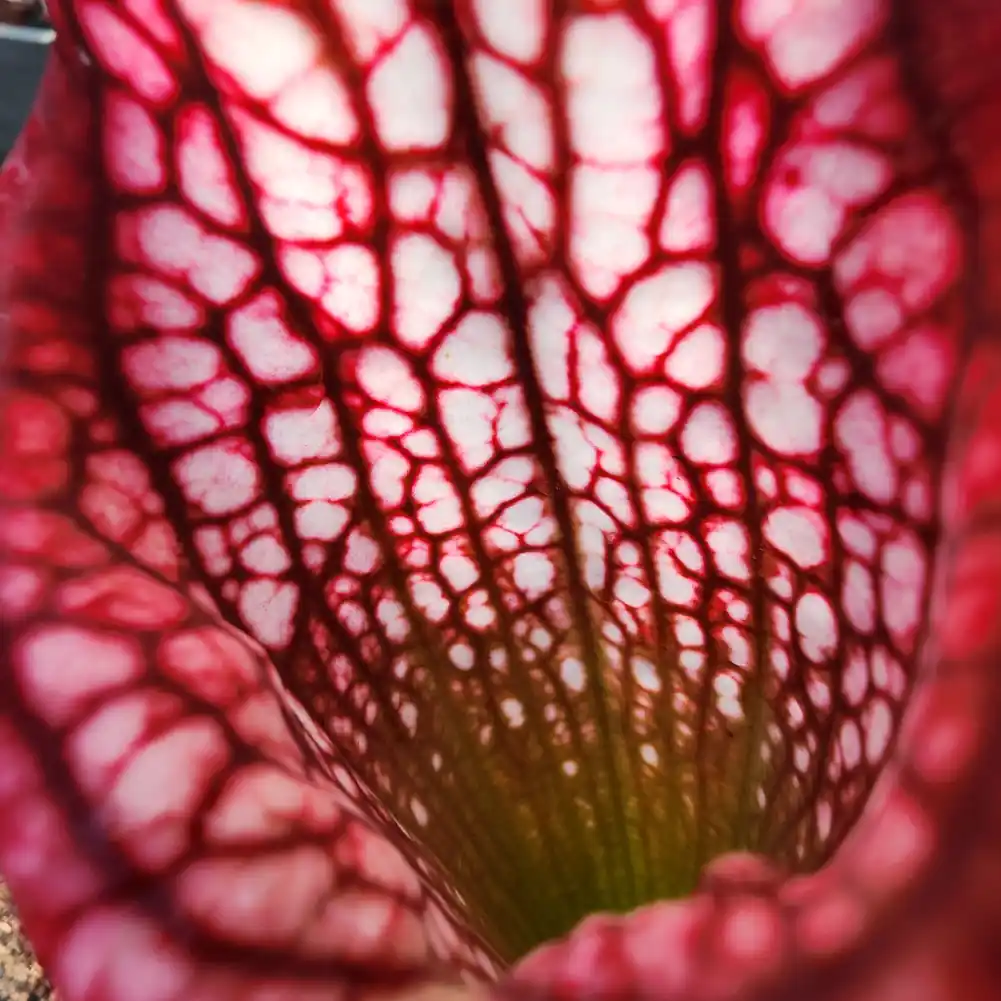
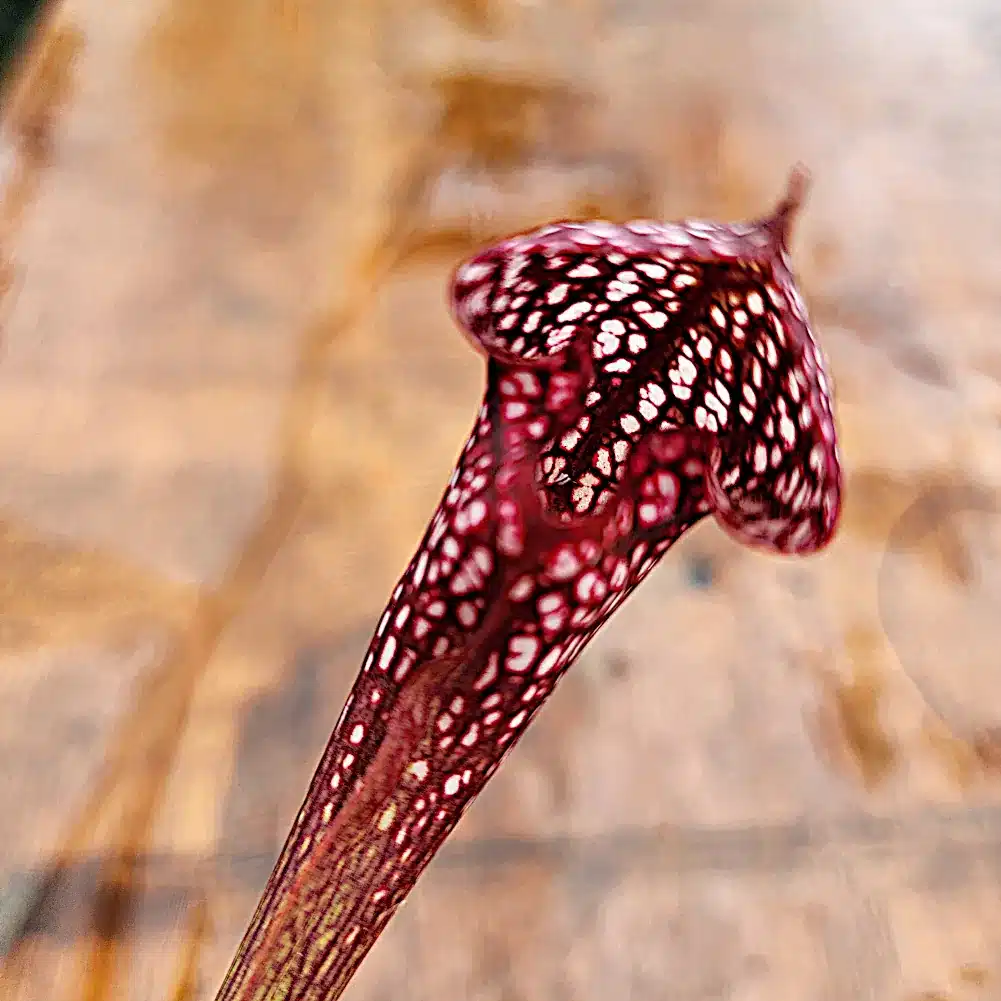
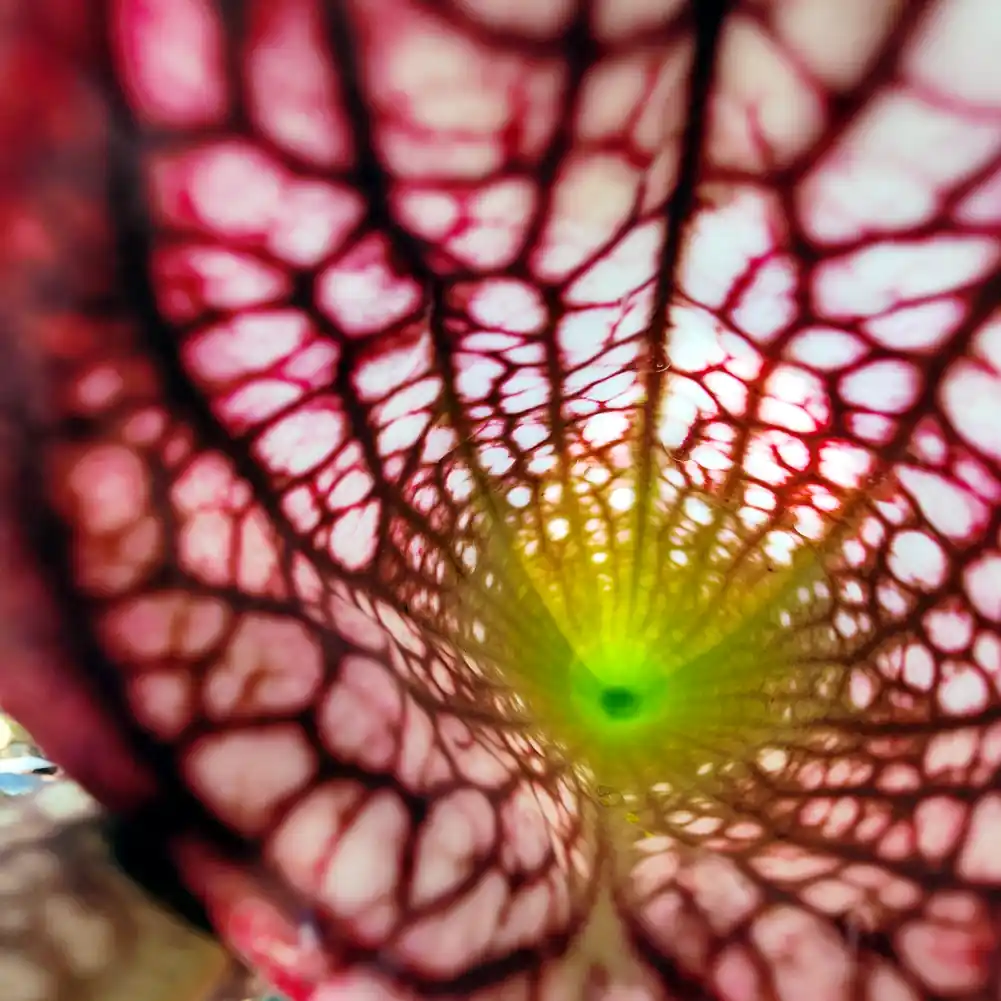
When the bug enters the pitcher, it is so drunk that it ultimately loses its foothold, and falls into the pitcher. Normally this wouldn’t be a problem, not even for a drunk insect :-) However, this is where Trap # 4 comes into play. The trumpet has fine hairs on the inside, all pointing downwards, preventing any type of insect, sober ones included, from crawling out. This leaves the insect with no option but to sit and wait to become the pitcher’s next meal!
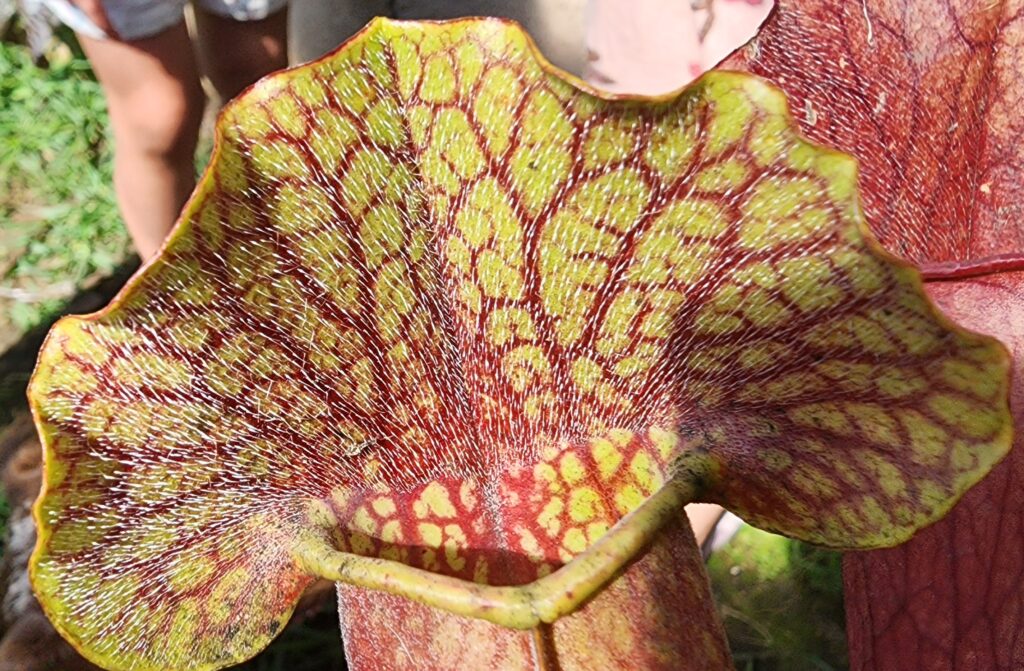
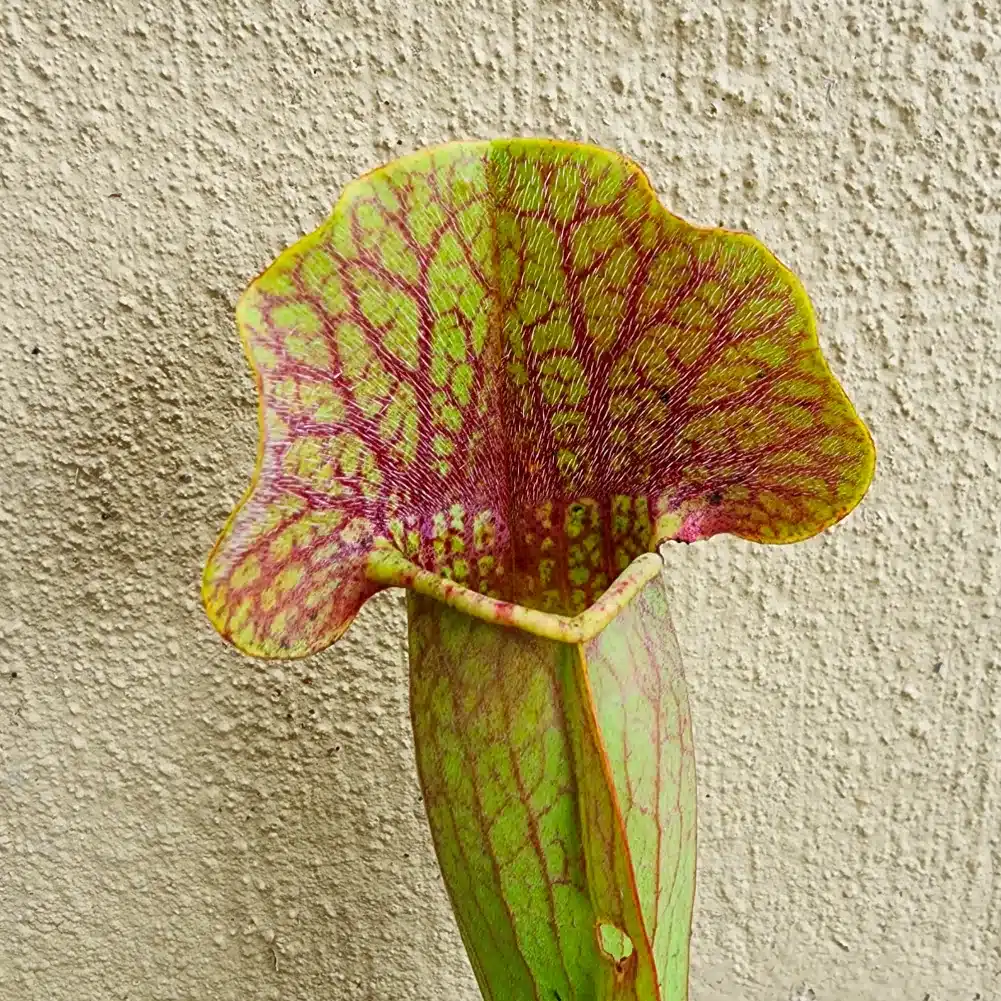
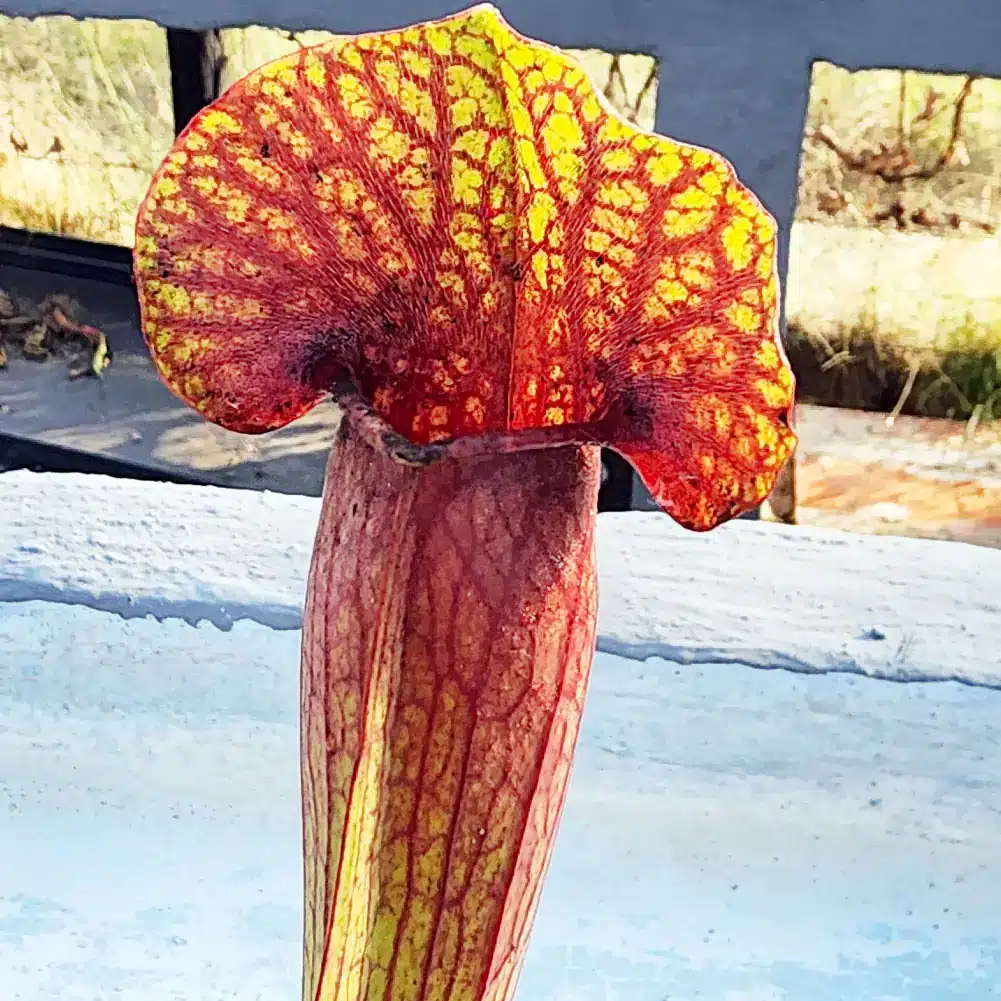
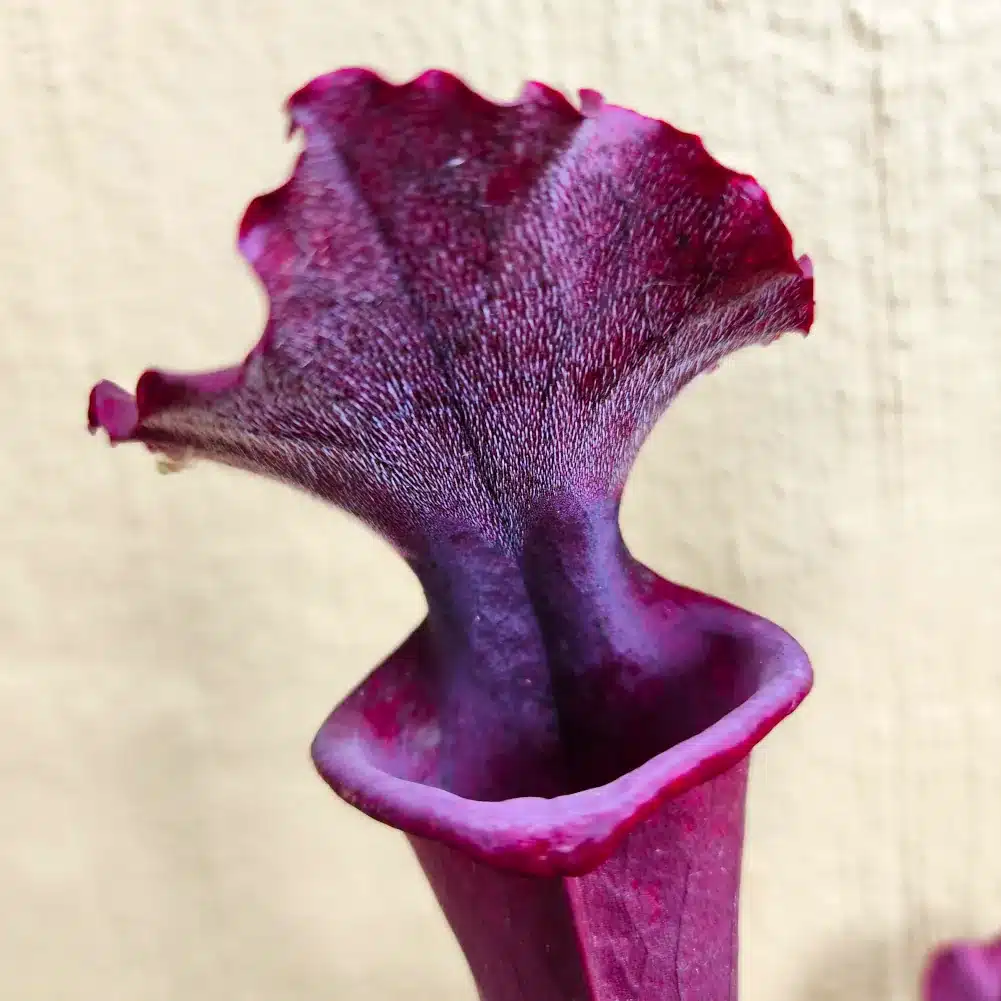
With all these options to choose from, how can any bug resist? With intense colours and patterns on the lids, some more inviting than others with their frilly tops and strange entrances, Sarracenia are, without doubt, the most greedy hunters in the carnivorous plant world, and it’s in these trumpets you will see hundreds of little corpses in various stages of decay. It’s no wonder these plants grow to such incredible heights.
Check out the 2 short videos below of how effective these pitchers are. Thanks to Niel Smit from Pretoria, for sharing these awesome clips!