The truth about feeding carnivorous plants.

The Truth is… although it’s tempting as all hell, carnivorous plants are formidable hunters and will catch all the food they need. Believe it or not, a carnivorous plant will get all the nutrients they need to grow through photosynthesis alone. Sunlight is way more important than feeding. But if grown outdoors, or on bright windowsills with insect activity, a carnivorous plant will be more than able to feed itself.
But let’s be honest, the allure behind these plants is because they eat :-) I mean why else would you get a Venus fly trap if not to see it eat :-p
VENUS FLY TRAPS
But be careful what you feed it. Some people feed it meat or cheese because of the “protein”. A carnivorous plant does NOT NEED protein. It eats to supplement the nitrogen intake that it cannot get from the nutrient-deficient soil it grows in. Feeding it improper food will do nothing but cause the pitchers of your beloved plant to die much more quickly. A Venus fly trap can only eat about 4 to 5 times before it exhausts the energy in its traps and the trap dies. So feeding it something it actually cannot digest is doing nothing more than wasting energy.
BUT, as mentioned earlier, who wouldn’t want to see a carnivorous plant eat :-) After all, isn’t this why we started this hobby?
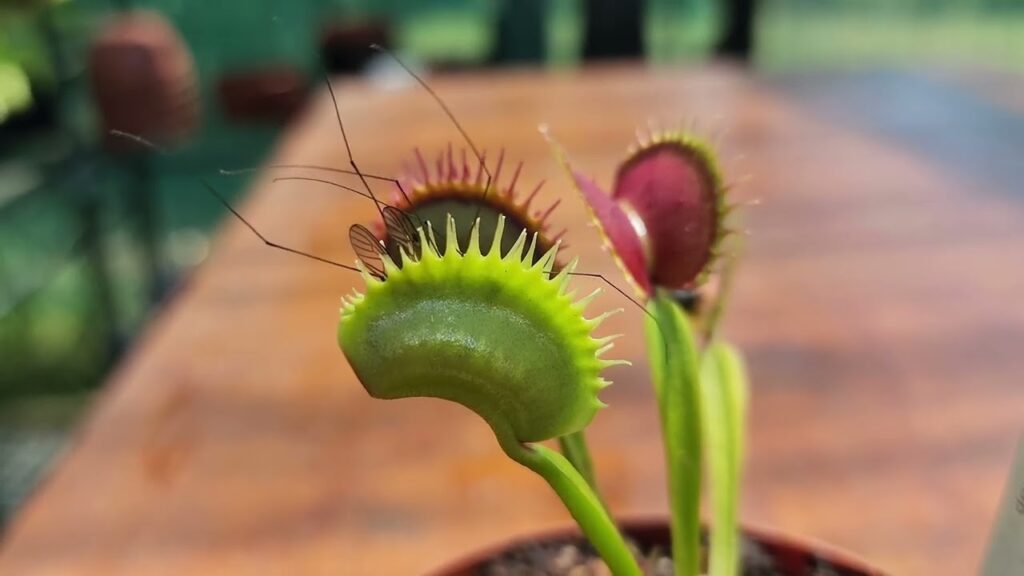
It’s fine to feed. But make sure you feed it properly. A Venus fly trap can only eat living bugs. When bugs land on its trap, they trigger fine hairs which cause the trap to close. However, unless these trigger hairs continue to get stimulated, the trap will open again, and all that energy is wasted. If you catch live bugs and place them in a Venus fly trap, the trap will close over the bug, then as it feels the hairs inside trigger, the trap will close even tighter, and form a seal and then it will start to secrete digestive juices and slowly start eating its meal. Once done, the trap will open, leaving nothing but a crispy corpse in its trap while it eagerly awaits its next meal :-)
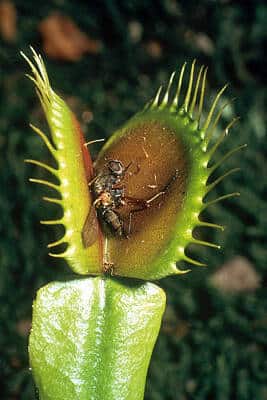
For more intricate details on just how the Venus Fly Trap works and catches its prey, refer to my blog The Celebrity of the Carnivore World – The Venus Fly Trap
TRUMPET PITCHER PLANTS
These plants with their tall elegant pitchers are possibly one of the most voracious hunters in the carnivorous plant world. This plant catches so many bugs that by the time the pitcher starts to die, it is FULL of dead bugs in various stages of digestion.
Sarracenias have fine hairs on the inside of their pitchers which point downwards. This enables bugs to crawl down into the pitcher, but when they try to turn around to crawl out, the downward-pointing hairs prevent them from doing so, and it has no choice but to continue walking down into the death pit.
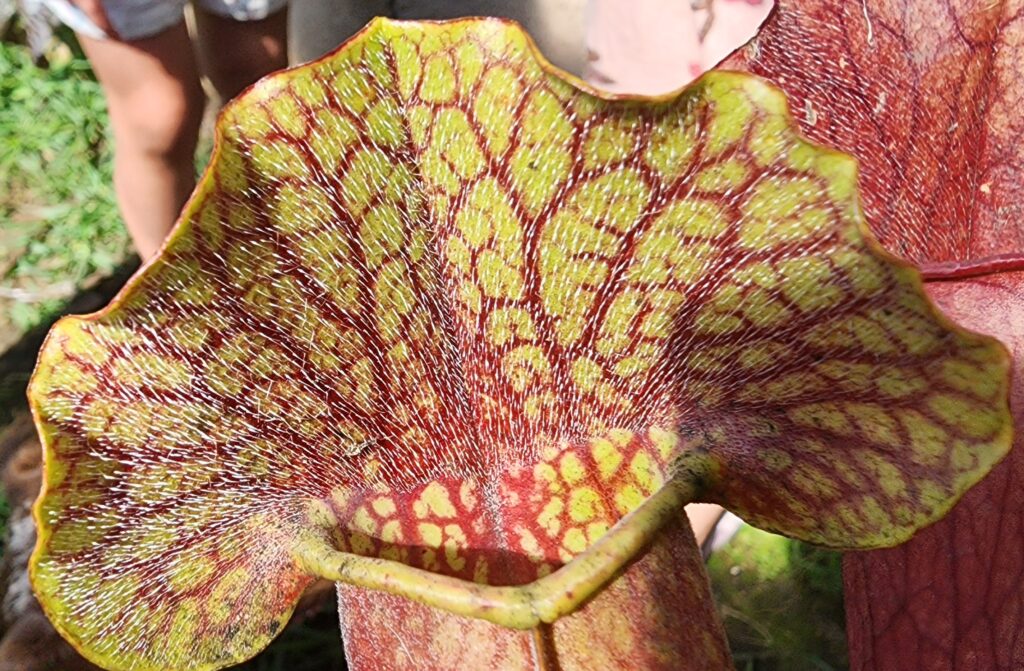
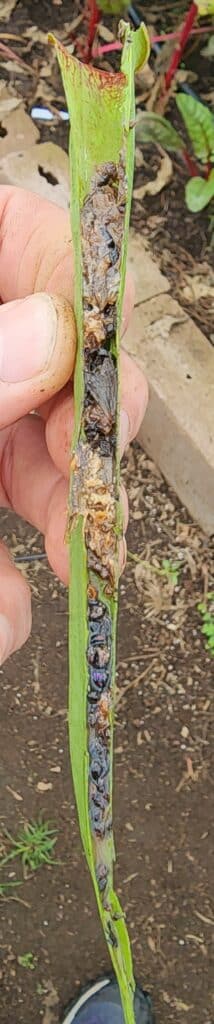
This is a young trumpet pitcher that I cut in half, lengthways, so that you can see just how many bugs this thing caught.
Towards the bottom, you will see the black mush of digested bugs and fresher, more “intact” bugs towards the top.
Ultimately all these will end up as liquid food and the plant will absorb the required nutrients.
It’s the smell of sweet nectar in conjunction with the smell of decaying bugs in the pitchers, that lure the next meal, and the next and the next, but the interesting part is that even if you stick your nose right up to the top of the pitcher, you will hardly notice any smell… The plant itself wants to stay healthy so it not only digests insects quickly but also produces an antifungal inside the pitcher, to prevent anything from rotting, thereby not only prolonging the plant’s life but preventing foul odours as well!
I often hear little buzzing noises coming from deep inside the pitchers and just know that some unsuspecting little fly, has ended up crawling to the bottom of the pitcher and is now unable to crawl or fly out, and has no alternative but to accept its fate and wait to be part of the pitcher’s next meal. I know it sounds evil, but I get a guilty pleasure knowing its fate and I cannot resist smiling at how incredible these plants are! Looking at how full the pitcher is in the picture, you will agree, that out of all the carnivorous plants in the world, the Trumpet Pitchers are the most incredible hunters and lure an obscene amount of bugs into their traps. Luckily it is a low-carb diet or they would end up being wine barrels and not pitcher plants :-)
Check out my blog titled “The power of the Sarracenia” which goes into much more detail on how these amazingly clever trumpets are at luring and catching prey. I’d say that these guys are the most intelligent and extremely well-adapted, out of all the carnivorous plants, containing multiple lures and ways to trap prey. It’s no wonder these pitchers are always full!
Butterworts and Sundews
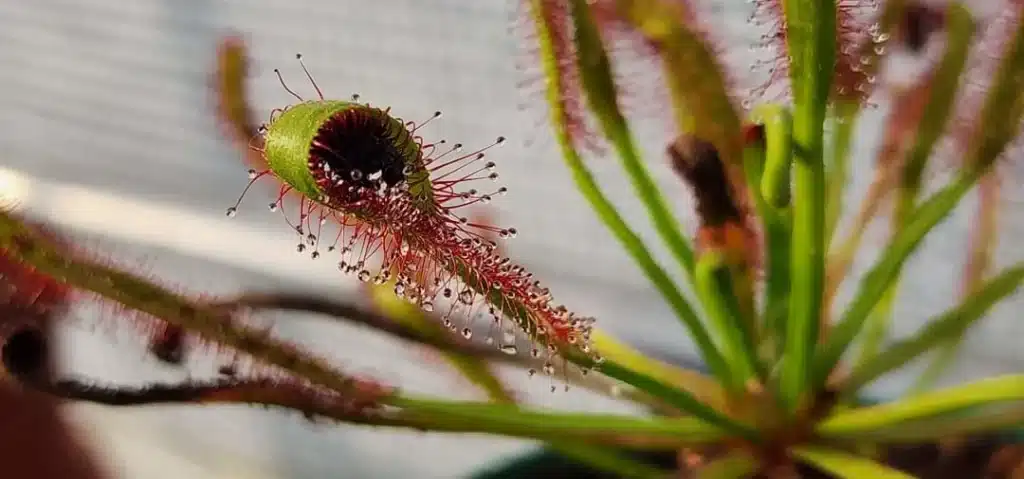
These I must confess, are my favourites. Their way of catching prey is to create a sticky, glistening liquid on their leaves, which glimmer like hundreds of diamonds in the sunlight. When a bug lands on these enchanting diamonds, they are glued into place and that sticky liquid starts to digest them. You will often notice butterwort leaves riddled with hundreds of tiny little corpses.
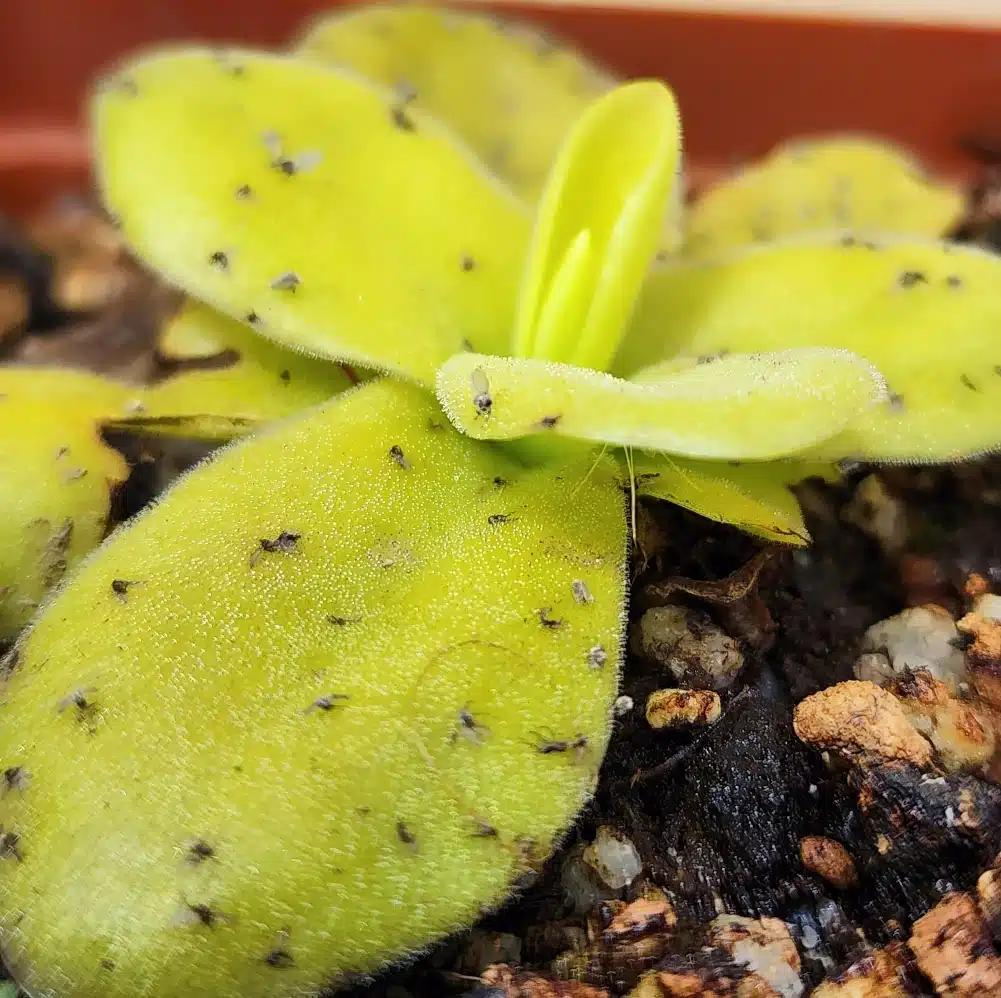
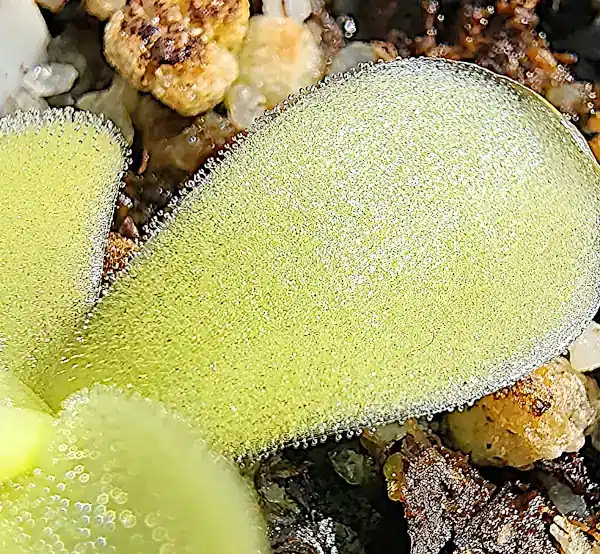
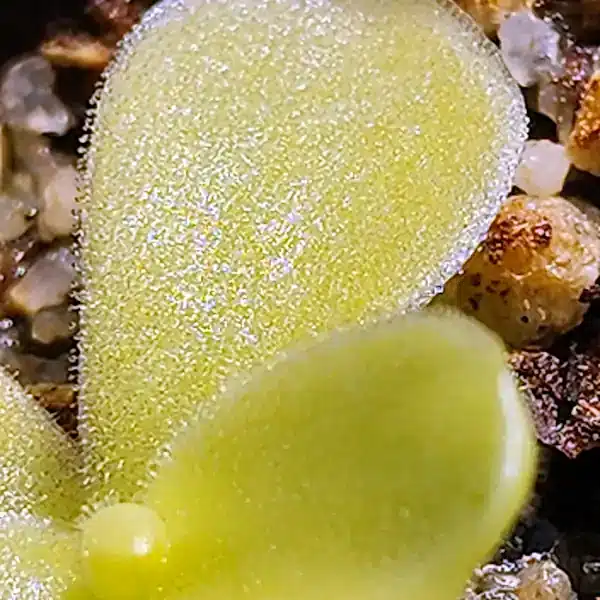
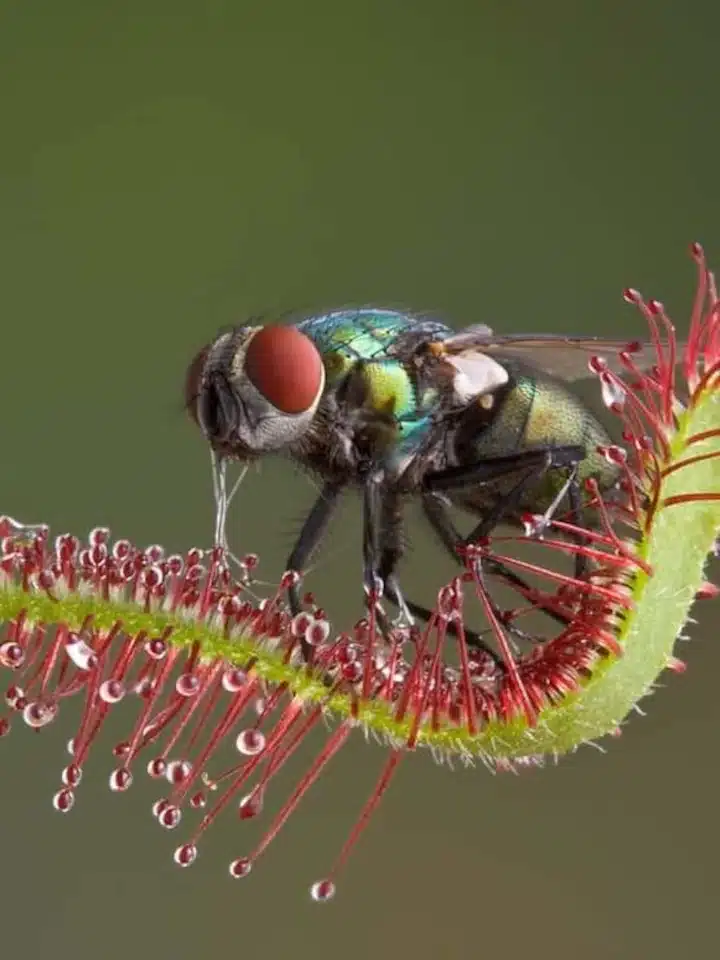
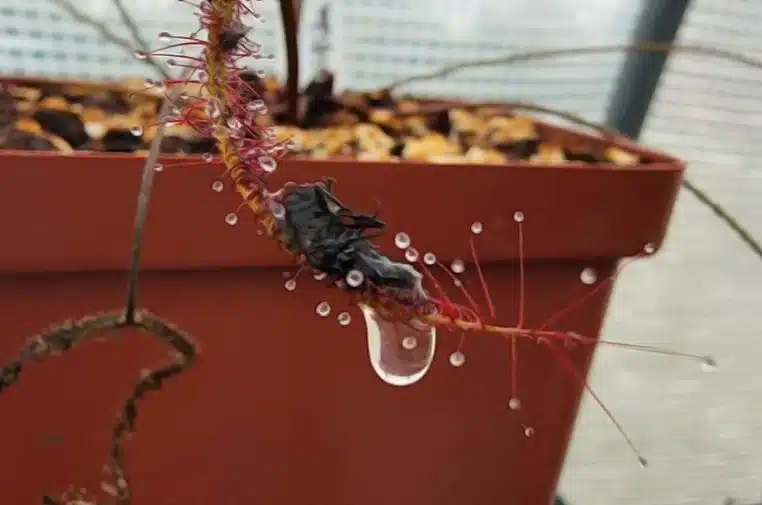
Taking that even 1 step further, the Cape Sundews are renowned for their leaves curling over their prey, thereby increasing the digestion area and absorbing maximin nutrients.
if you notice that your plant is not catching bugs or if you just want to be a nice carnie parent and feed your baby, you can successfully take gold-fish flakes, crush it into a powder, and sprinkle onto the sticky dewy bits.
PITFALL PITCHER TRAPS
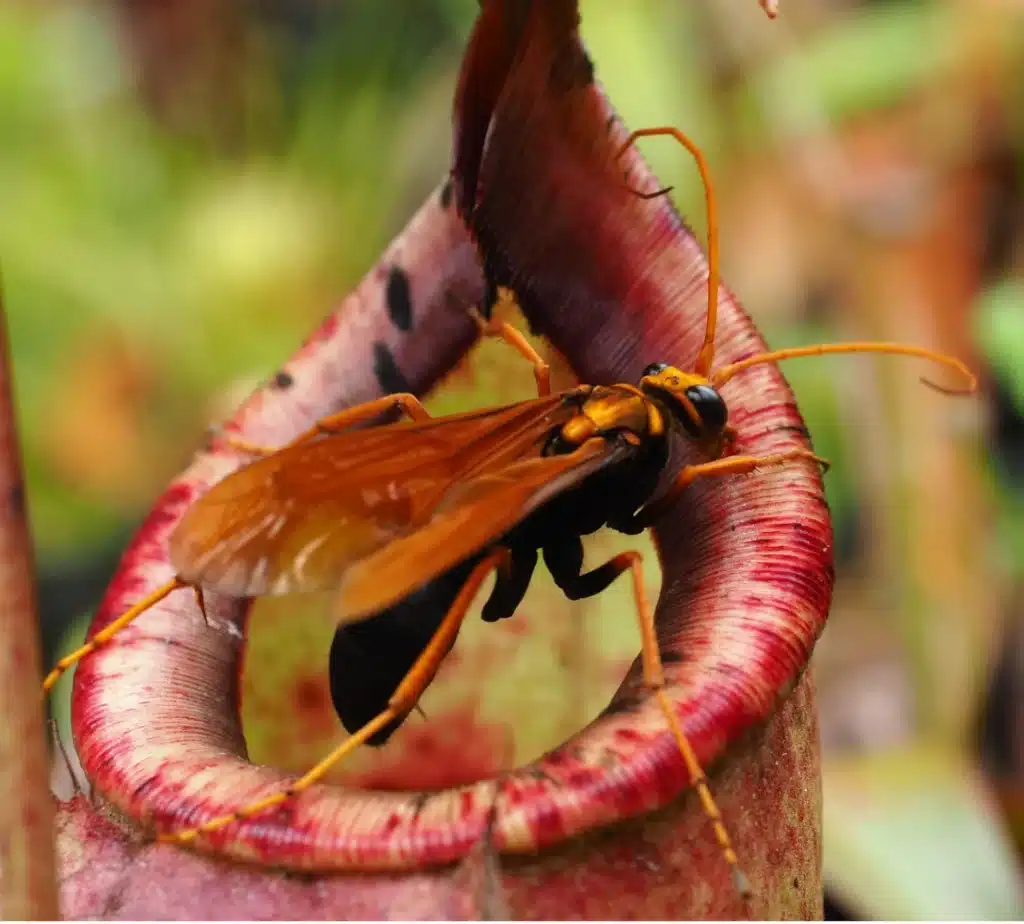
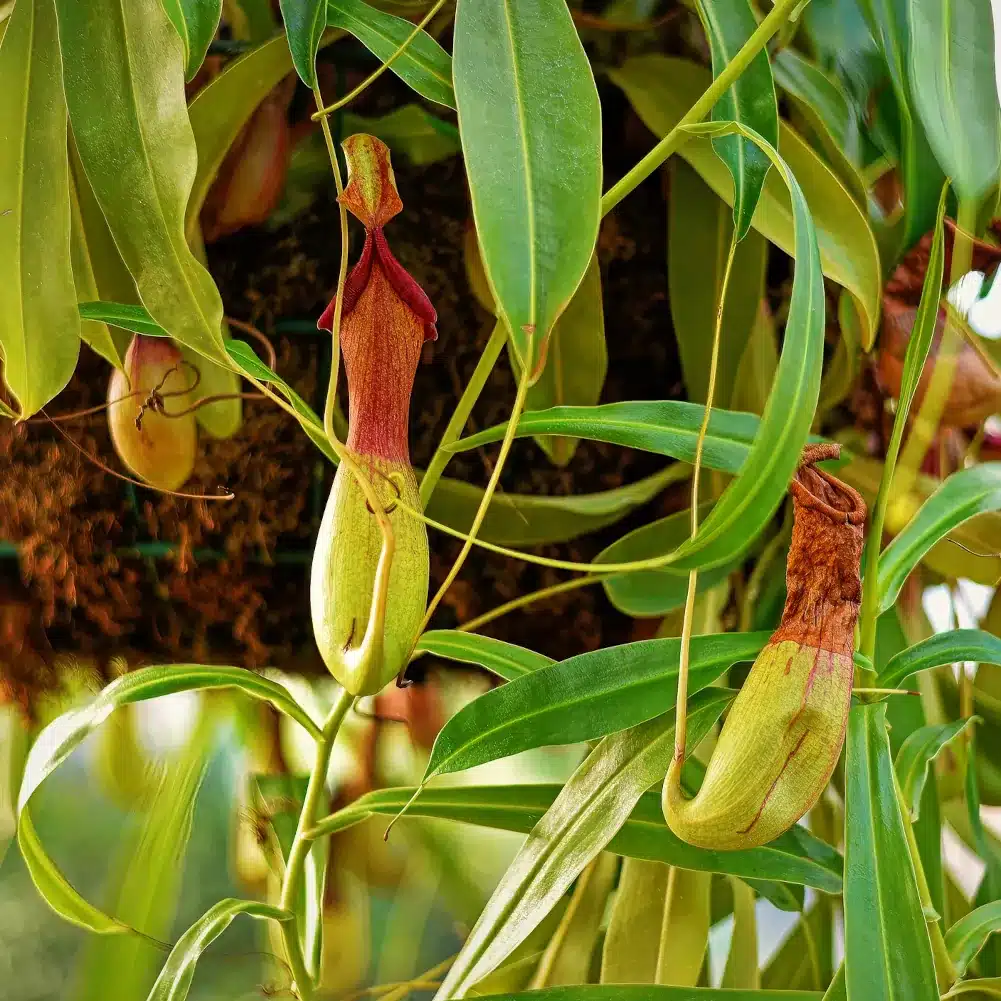
These traps are synonymous with Monkey Cups and the Australian Pitcher Plants. They have pits or large cups that grow on the ends of their leaves. These cups have a sweet nectar that is secreted near the lid and is irresistible to bugs.

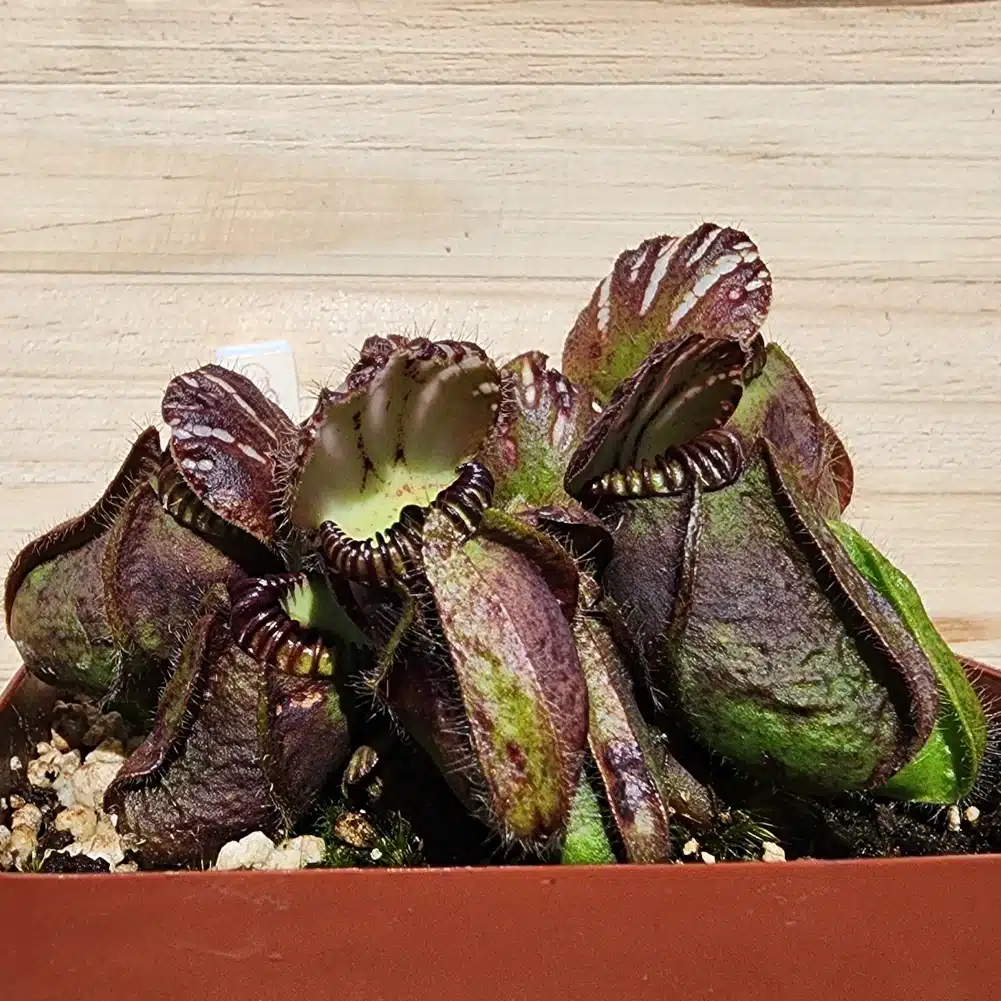
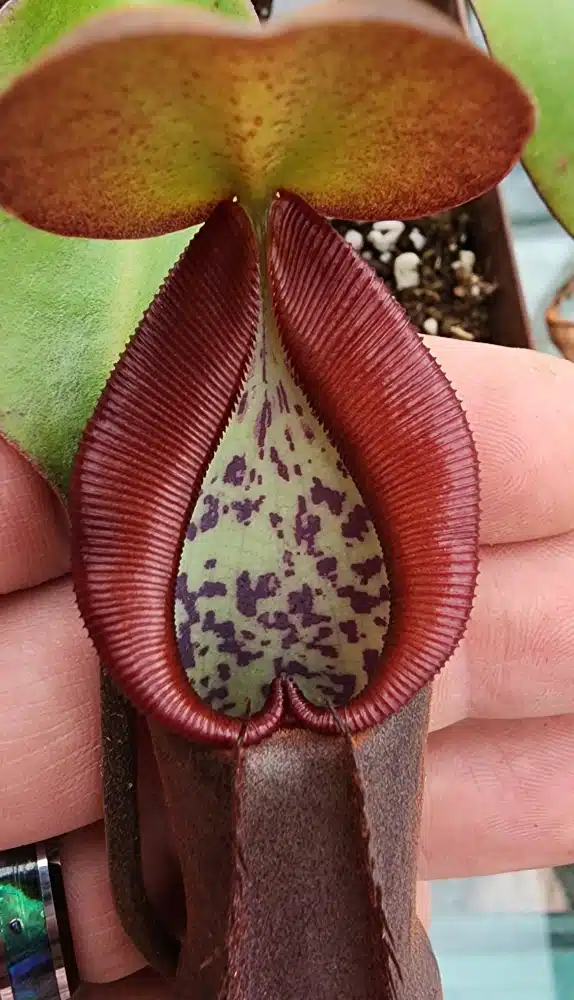
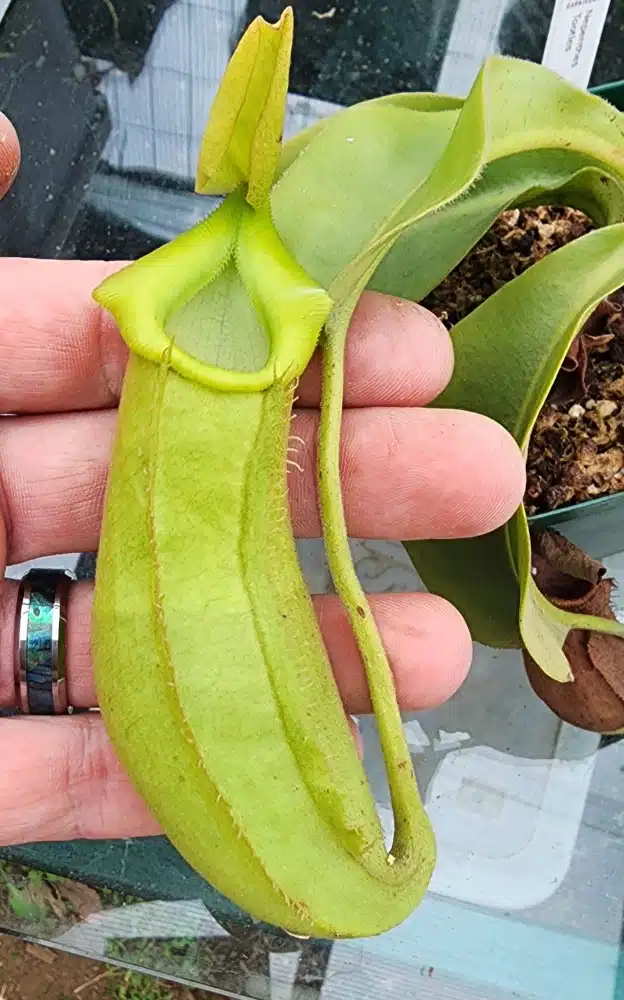
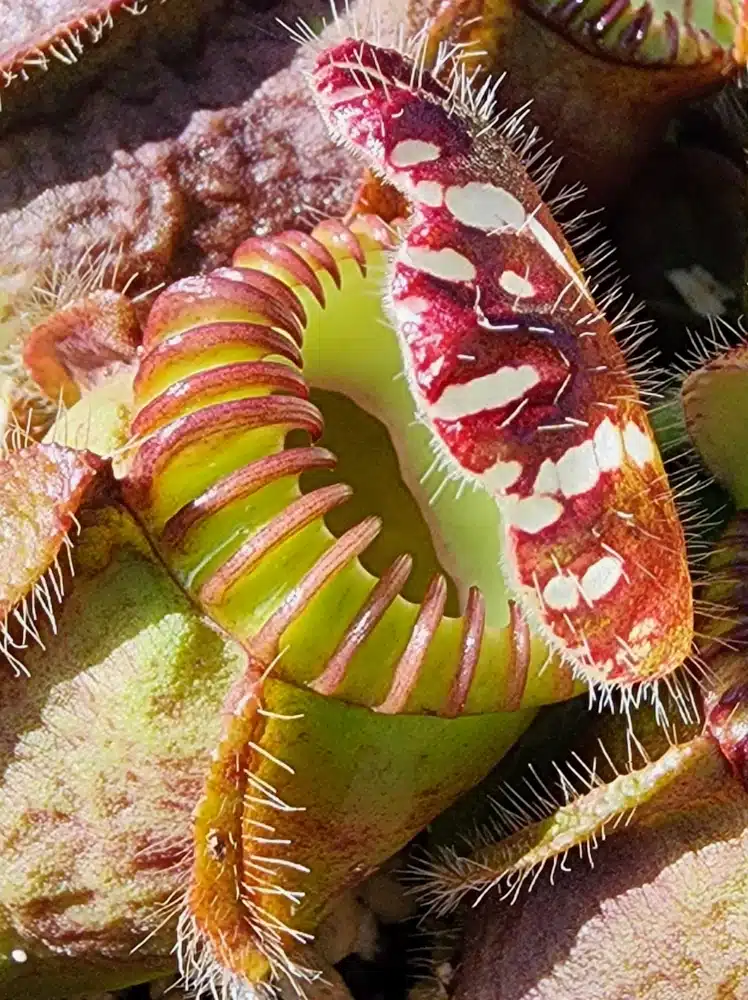
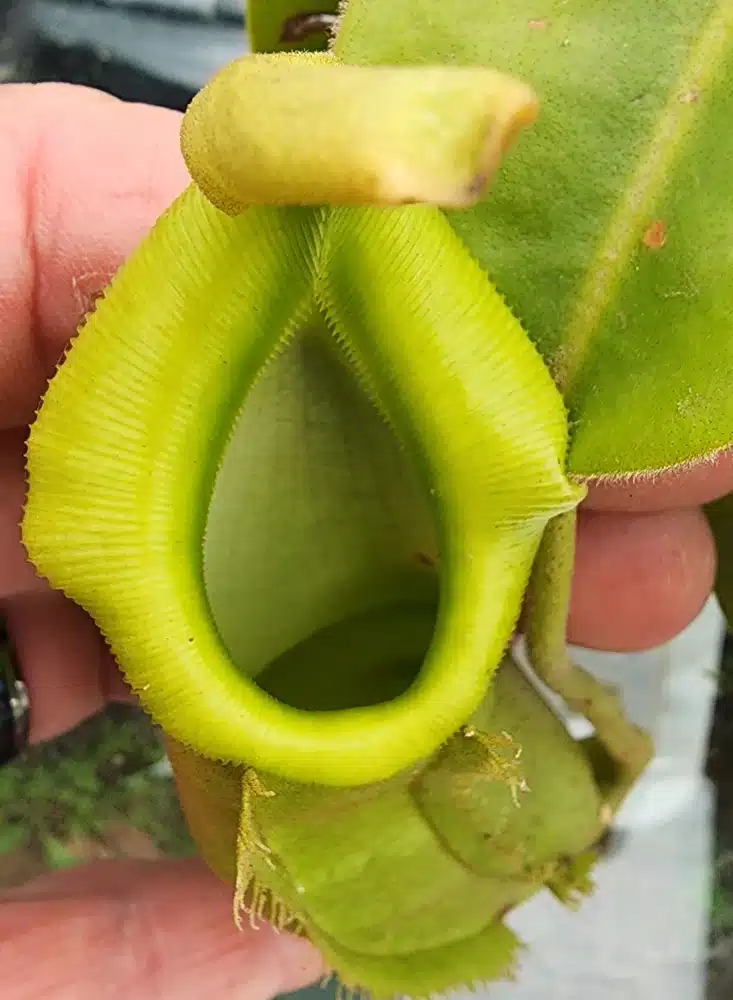
The terrifying looking entrance to the Australian Pitcher Traps. If I where a bug, I wouldn’t go near that thing!
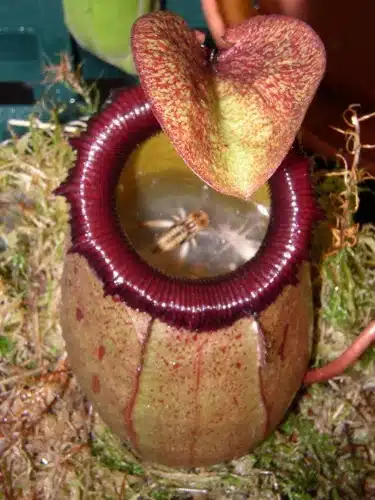
When they land on the lips of the pitchers to drink this nectar, they are unaware of how slippery the lips aka Peristome, are and the bug slips down into the pitcher, where a whole lot of digestive juices await them. :-) You can successfully drop dried fish pellets into the pitcher or dried meal worms etc to supplement feeding, but watch out for white mould that can sometimes grow inside the cup. I simply pull this out with tweezers if found.